Grand Rounds Recap 12/9/15

Grand Rounds Recap 12/9/15

Glucose Emergencies

Remember the "I's" when looking for cause of DKA/HHS: Infection, Insulin lack, Infarction (MI, CVA, Ischemic gut), Indiscretion (EtOH, cocaine), Infant (pregnancy).

After 2L NS fluid bolus in the hemodynamically stable patient, the corrected sodium should guide fluid choice for further therapy.

Venous pH, HCO3 and base excess have sufficient agreement to be interchangeable with ABG in the ED.

Read More

Grand Rounds Recap 12/2/15

Grand Rounds Recap 12/2/15

Air Care Ground Rounds

Dr. Hinckley - Air Medical Resource Management

Familiarity and complacency can lead to mistakes. Stay uncomfortable. A policy for preflight walk-a-rounds will be released shortly. 

E-poc blood gas analyzer is now on AirCare. Think about using it for all patients, but particularly those who are intubated or may be in a state of shock.

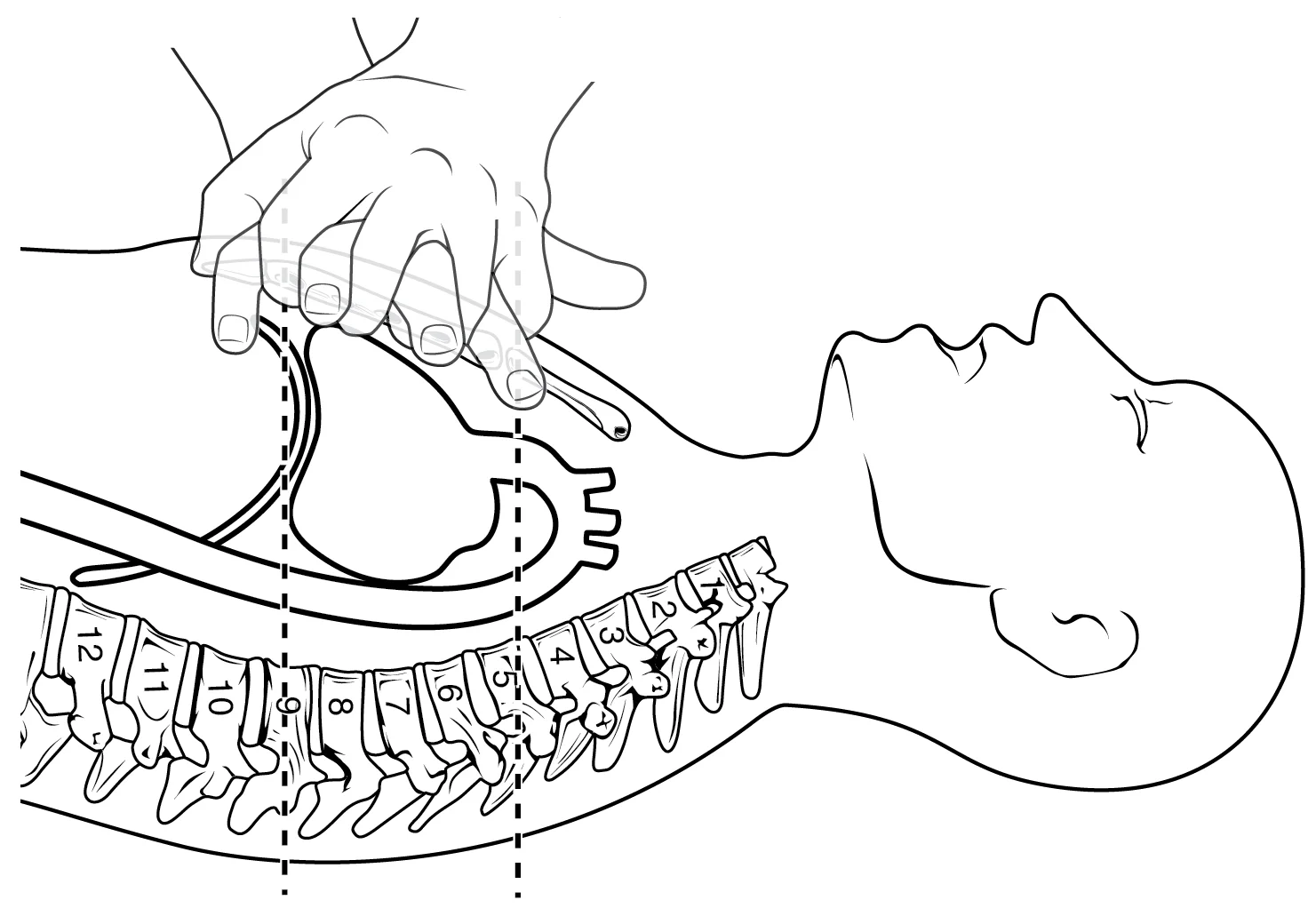
Dr. Powell - Minnesota Tube is coming to AirCare

Everything you need will be in the Critical Care bag. You can bring all the gear with you into the hospital without having to gather supplies there. No football helmet required.

Read More

CSF Evaluation in Subarachnoid Hemorrhage

CSF Evaluation in Subarachnoid Hemorrhage

So, what constitutes a “positive” tap when evaluating for subarachnoid hemorrhage?

Traditional teaching is that a positive tap is Xanthochromia or blood in the CSF

What exactly is Xanthochromia?

The word xanthochromia is simply Greek for “yellow color.”  It refers to the yellow color that CSF can take in certain situations.  Some of these situations are listed below:

  • Elevated CSF protein            
  • Jaundice
  • Hypervitaminosis A
  • Rifampin Therapy
  • Elevated Bilirubin
  • Oxyhemoglobin

What we are especially interested in when evaluating for subarachnoid hemorrhage is bilirubin and oxyhemoglobin.

Read More

Grand Rounds Recap - 11/18

Grand Rounds Recap - 11/18

This week we recap the latest IOM recommendations on cardiac arrest management, evidence-based update on anaphylaxis management, management of the morbidly obese code and discuss the ins and outs of immunosuppressive agents.

Read More

"Sepsis Under Fire" - Recap

"Sepsis Under Fire" - Recap

This the recap of the 2nd of our 2 "Sepsis Smackdown" cases.  Several weeks back, we presented to you the case of Lucy, a 79 yo female resident of a nursing facility presenting to your busy community ED with reported altered mental status.  She's unable to provide you with a meaningful history but you piece together she's been acting abnormally at the nursing facility over the course of the past several days at the nursing facility and is now febrile, tachycardic, and hypotensive.  In your testing, you find her to have a UTI, begin her resuscitation and admit her to the hospitalist and MICU.  While waiting for a bed, she continues to be poorly responsive to your resuscitation...

Read More

"Fighting the Bugs" - Recap

"Fighting the Bugs" - Recap

Below you will find the recap of the 1st case in our Sepsis Smackdown case series.  Several weeks ago, we posed a clinical scenario followed by a series of questions.  As a refresher the case was that of Linda, a 79 yo female resident of a local nursing facility who arrives to your busy community ED with altered mental status, hypothermia, tachycardia, hypotension, and along history of multiple complicated UTI's. You begin your work up and find her to again have a likely UTI with a urine dipstick with large leukocyte esterase, pH 5.5, 20 protein, negative nitrite.

Read More

Grand Rounds Recap 11/4

Grand Rounds Recap 11/4

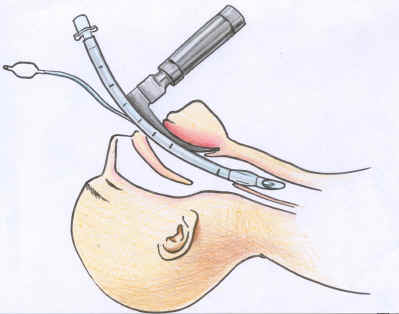
A Walk Down the Difficult Airway with Dr. Carleton

Case 1: Morbidly obese young female presents after overdose - tachycardic and unresponsive to sternal rub but maintaining saturations at 92% on a non-rebreather.

Difficulties in the morbidly obese and implications for airway management...

Use your rules for airway assessment

  • 2 fingers of mouth opening - remainder of 3-3-2 cannot be determined due to habitus
  • both MOANs for BVM and RODS for EGD predict difficulty with ventilation due to the restrictive physiology of her habitus
Read More

Respiratory Monitoring - An Introduction to Pulse Ox and Capnography

Respiratory Monitoring - An Introduction to Pulse Ox and Capnography

First a bit of physics....

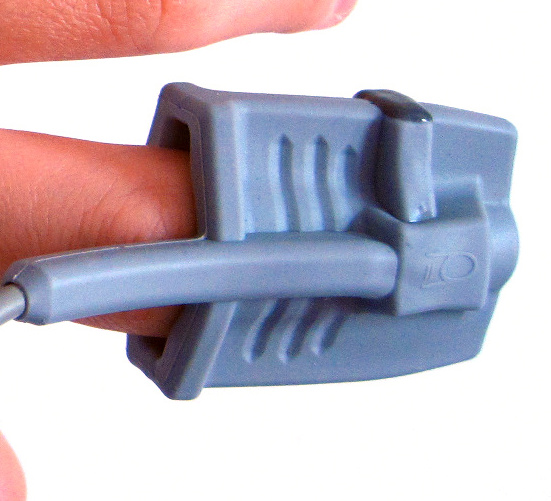
Both pulse oximetry and capnometry rely on the Beer-Lambert Law. 

  • In 1760, Johann Heinreich Lambert proved that the absorbance of light through a material is proportional to the thickness of the material.  
  • In 1852, August Beer proved that the absorbance of light through a material is proportional to the concentration of the attenuating substance in the material.
Read More

Grand Rounds Recap 10/21

Grand Rounds Recap 10/21

Morbidity and Mortality Conference with Dr. Curry

Acute Coronary Syndrome in Pregnancy

Epidemiology

  • Incidence reported at about 6/100,000 deliveries
  • Maternal mortality is between 5-9%
  • 75% are STEMI
  • 2/3rds are anterior wall MI (LAD or LM as the culprit vessel)

Risk Factors

Many of these are typical ACS risk factors but are less prevalent in the pregnant population

  • Older age (>35 years old for pregnancy is considered older age....yikes)
  • Hypertension
  • Diabetes
  • Obesity
  • Smoking
  • Dyslipidemia
Read More

Grand Rounds Recap 10/14

Grand Rounds Recap 10/14

Simulation with Dr. Hill

Case 1: 45 yo male comes to the ED after being found down at the mall s/p defib x2 for a V fib arrest per EMS with a King Airway in place and undergoing active CPR. In the ED you achieve ROSC after defib x1 for Vfib and then PEA with multiple arounds of epinephrine. EKG shows inferior STEMI.  

Case 2: EMS calls with advanced noticed for GI bleed presents tachycardic and hypotensive, actively bleeding with melanotic stool and hematemesis. 

Read More

Sepsis Under Fire

Sepsis Under Fire

This is our first of 2 cases exploring the care of patients with sepsis in the Emergency Department.  Similar to our "Out on a Limb" case series, the case presented is followed by a series of questions, with a discussion in the comment section facilitated by the post authors.  In approximately 1 month (November 11th), the authors of the post will conduct a combined simulation/small group session reinforcing the learning points from the posts during Grand Rounds.  Around this time, they will also curate the comments from the discussion and publish a post highlighting these learning points.  Looking forward to a great discussion!

Read More

Grand Rounds Recap 10/7

Grand Rounds Recap 10/7

Evidence Based Medicine on Tachydysrhythmias with Drs. Ludmer and Miller

  • SVT is an umbrella term that includes AVNRT, atrial fibrillation and flutter, and polymorphic multifocal atrial tachycardia (MAT)
  • AVNRT (AV Node Re-entrant Tachycardia) is the correct term for what is commonly diagnosed as SVT, 
  • MAT usually occurs in critically ill elderly patients with respiratory failure and is a poor prognostic sign, associated with 60% in hospital mortality. Treatment is to treat the causative pathology.
  • REVERT Trial: Modified valsalva vs standard valsalva performed in 10 EDs with 428 patients in England. Findings included a 17% conversion with standard methods and 43% with the modified valsalva. 
Read More

Fighting the Bugs

Fighting the Bugs

This is our first of 2 cases exploring the care of patients with sepsis in the Emergency Department.  Similar to our "Out on a Limb" case series, the case presented is followed by a series of questions, with a discussion in the comment section facilitated by the post authors.  In approximately 1 month (November 11th), the authors of the post will conduct a combined simulation/small group session reinforcing the learning points from the posts during Grand Rounds.  Around this time, they will also curate the comments from the discussion and publish a post highlighting these learning points.  Looking forward to a great discussion!

Read More

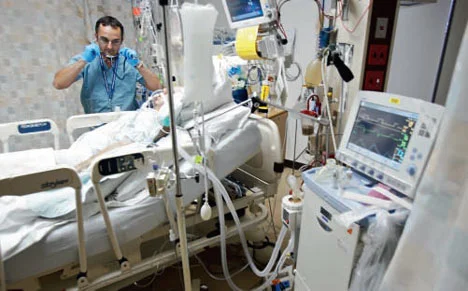
Ventilator Management Simulation Debriefing

Ventilator Management Simulation Debriefing

Case 1 - "Bucking the Vent"

You have inherited a patient in the VA MICU at signout.  The patient presented with spontaneous bacterial peritonitis and altered mental status and was intubated for airway protection and hypoxic/hypercarbic respiratory failure.  The patient’s altered mental status has resolved but the patient remains intubated waiting for a second large-volume paracentesis that can’t be done over the long weekend at the VA. The RT calls you asking for a one time dose of 5mg Versed, but on a quick glance at the chart, the patient has been getting these Q2 hours for the last several days.  You go to the bedside and find an agitated patient motioning to take out the tube.  “He’s bucking the vent doc!”

Vent settings: AC-VC: TV500  RR12  PEEP8  FiO2 30%

Read More