Annals of B-Pod: Caustic Ingestions

Annals of B-Pod: Caustic Ingestions

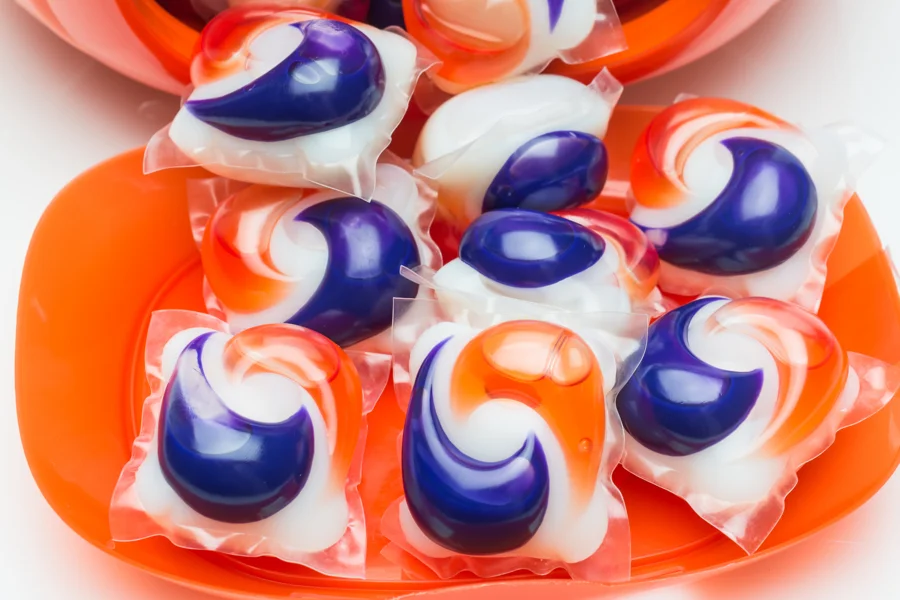
If nothing else, the "Tide Pod challenge" has demonstrated that these versatile detergents truly excel in their intended purpose, cleaning not only dirt and sweat from your clothes but also purging the naive, vain preadolescent innocence from society. Join me - Dr. Scanlon - as I detail a fascinating case of a caustic ingestion, exploring the natural history, emergent management, and ultimate sequelae of this potentially devastating exposure.

Read More

Grand Rounds Recap 3.28.18

Grand Rounds Recap 3.28.18

This week's Grand Rounds opened with Dr. Ludmer giving Morbidity and Mortality conference. Sports Medicine Dr. Betz then took on the common chief complaint of ankle pain, and described the evidence-based management and common ankle sprain mimics. Dr. Shaw discussed basics on tracheostomies and Dr. Renne closed out Grand Rounds with his approach to the judicious use of IV fluids in septic shock. 

Read More

Air Care Orientation Case #2

Air Care Orientation Case #2

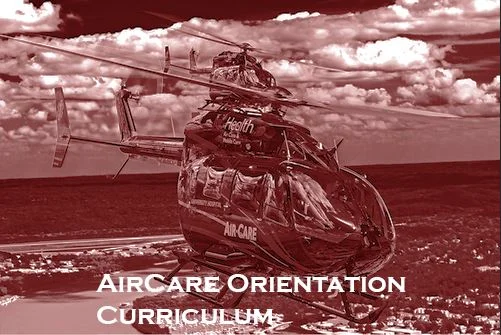
This is Case #2 of our Air Care Orientation Curriculum!  This curriculum is designed to help prepare our rising R2's for their new responsibility as flight physicians.  These cases are discussed amongst our training flight docs and this is the resultant learning points.  In this case, we discuss a critical patient with a head injury.  What interventions need to be performed?  In what order?  Who should do them?  Read on to find out.

Read More

Grand Rounds Recap 3.21.18

Grand Rounds Recap 3.21.18

This week's Grand Rounds opened with year directives focused on residents as teachers for the junior residents and life as a junior faculty for the senior residents. Next Dr. Fermann discussed implementation of our PE response team (PERT). Dr. Li led a great group discussion on EKG toxicology, Dr. Golden then unsuccessfully tried to stump Dr. Hill with his CPC on phenytoin toxicity, and finally Dr. Gorder gave a fantastic discussion on NSTEMIs.

Read More

Air Care Orientation Case #1

Air Care Orientation Case #1

This is Case #1 of our Air Care Orientation Curriculum!  This curriculum is designed to help prepare our rising R2's for their new responsibility as flight physicians.  These cases are discussed amongst our training flight docs and this is the resultant learning points.  In this case, we discuss a sick trauma patient that needs multiple interventions.  But what interventions need to be done?  In what order?  And who should do them?  Read on to find out!

Read More

EKG Toxicology

EKG Toxicology

Emergency medicine physicians frequently assess and treat patients who have accidental or intentional poisonings. United States poison centers receive over two million case referrals per year. And, about 20% of these poisonings present to an Emergency Department for evaluation. Evaluation of these patients always includes a history and physical, but further testing can provide valuable information. Blood work is often be needed, but an EKG is a faster, cheaper tool that can provide key pieces of information prompting early interventions. 

Read More

Grand Rounds Recap 3.14.18

Grand Rounds Recap 3.14.18

This week's Grand Rounds opened with Dr. Curry discussing the paucity of literature on double defibrillation in VF. Dr. Mand then led small group discussions about the clinical utility of the pelvic xray. This was followed by Dr. Kreitzer expertly identifying incomplete Brown-Sequard Syndrome in Dr. Banning's CPC. Dr. Liebman discussed an interesting presentation of meningitis in a pediatric patient. Finally, our PEM colleagues led case based presentations of pediatric DKA, cat scratch disease, and a simulation featuring a patient in hypothermic cardiac arrest.  

Read More

Back to Basics: Pelvic XRays

Back to Basics: Pelvic XRays

Pelvic Xrays are a key component of trauma, fractures and dislocations seen every day in the ED, but when is the last time you went back over the anatomy and radiographic tips and tricks of the pelvic radiograph? Join Dr. Mand's thorough break down of this commonly used ED diagnostic - the Pelvic XR.

Read More

Grand Rounds Recap 3.7.18

Grand Rounds Recap 3.7.18

The first Grand Rounds of March opened with guest lecturer and UCEM alumni Dr. Matthew Valento discussing his career in toxicology as well as synthetic cannabinoids. Drs. Habib and Ham then discussed the evidence-based workup, management, and treatment of mammalian bites. Drs. Baez, Bernardoni, Randolph, and Shaw lead various small group sessions focused on high yield urological clinical knowledge, procedures, and trouble shooting techniques. Dr. Titone continued the midday genitourinary theme with her approach to the management of patients with indwelling urological drains and stents. Dr. Koehler ended the day with a discussion of high yield toxins.

Read More

Minor Care Series: Corneal Abrasions

Minor Care Series: Corneal Abrasions

Minor Care series is back with more from the red eye!  We've already covered conjunctivitis and scleritis, now for another high yield topic: Corneal Abrasions!  Everyone seems to have their own way of treating these patients, but is it evidence based?  Read on to find out what the literature says about this common complaint.  

Read More

The Anatomy of Femoral Vascular Access

The Anatomy of Femoral Vascular Access

Prior to the widespread availability of point-of-care ultrasonography, invasive medical procedures were performed by the “landmark method”.  Landmark methods are based on surface anatomy, palpation, and sometimes trigonometry, and are fraught with the potential for error.  Complications, while unquantified in the misty past, were likely much more common than in the current era of readily available bedside imaging.  Vascular access procedures are inarguably safer and more successful when guided by sonography, but interpretation of ultrasound images still requires an understanding of both surface and deeper anatomy to relate the two-dimensional screen image to three-dimensional reality.  Further, there are circumstances where either the urgency of the resuscitation, or compromised access to the patient, requires that vascular access be obtained using landmarks rather than real-time imaging.  In such cases a detailed understanding of regional anatomy is critical to maximize procedural success and minimize complications.

Read More