Grand Rounds Recap - 4/8/15

Grand Rounds Recap - 4/8/15

AirCare Grand Rounds

1. Indications for T pod

  • Blunt trauma + unstable pelvis
  • Blunt trauma + shock + pelvic tenderness to compression
  • Blunt trauma + shock + AMS/inability to evaluate pelvic pain

In patients with blunt trauma who are in shock and have AMS, incidence of pelvic fractures is 10%. In patients who die of blunt trauma during transport, open book pelvis fracture is the #1 cause of death (according to our own QI data)

Read More

The Cognitive Autopsy

The Cognitive Autopsy

We are in a thinking profession.  

An outsider looking in on our profession may see procedures and action as the defining characteristics of the practice of Emergency Medicine.  But, reflecting on the attributes of the best EM docs I’ve worked with, their procedural excellence isn’t what stands out.  Thinking back on the great physicians I have met and worked with, the ones I strive to be like every day, it is their ability to think, lead, and educate that sticks with me the most.  

And, it turns out I’m not the only one who might see it like this…

Read More

Vascular Ultrasound - Aorta & Lower Extremity Veins

Vascular Ultrasound - Aorta & Lower Extremity Veins

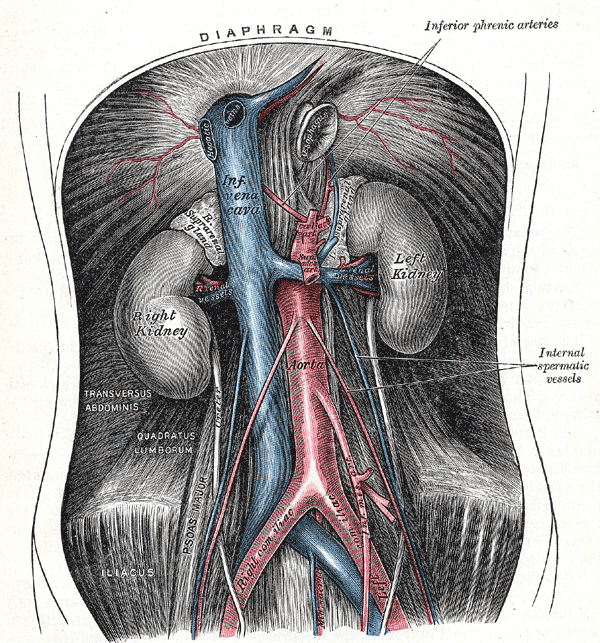
It's a frosty Easter morning and the ED is "q!&%t," all except for the 2 patient's turned over to you by the night ranger.  You greet the first patient, a 75 yo M complaining of flank pain - probably a kidney stone you think to yourself as you walk in to the room.  Walking into the room, you see the patient rolling around on the stretcher (as one would expect from those with a stone jammed in the UVJ), but something about his presentation strikes you as odd - a bit of diaphoresis, clammy pale skin.  It could just be pain, but the specter of a ruptured abdominal aortic aneurysm still looms large in your differential diagnosis.  You quickly exit the room, grab the ultrasound machine and head back in to take a look at his aorta...

Read More

Grand Rounds Recap - 3/25/15

Grand Rounds Recap - 3/25/15

Mortality & Morbidity Conference with Dr. Bohanske

Remember that sometimes the thing a patient needs most is a specialist (i.e surgeon), especially trauma patients

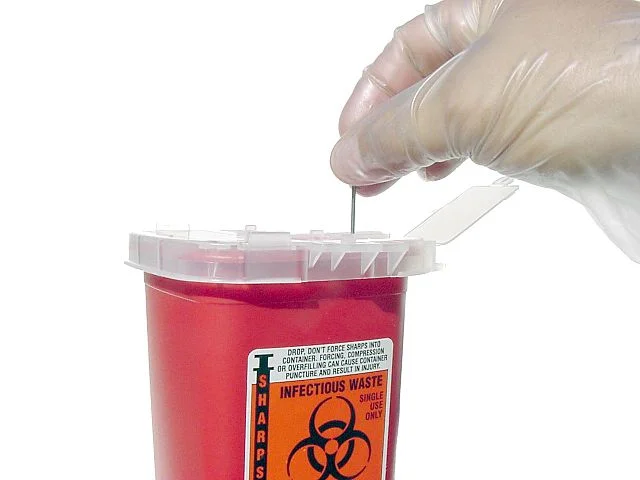
  • Sharps in hectic situations, such as any resuscitation, are dangerous not just for the patient but also for providers as this is one of the most common situations leading to bloodborne pathogen exposures
  • Remove sharps from the field anytime you do not need them and always be responsible for your own sharps to keep your team safe
  • Keep in mind that early predicators of hemorrhagic shock are pulse and mental status/anxiety as BP changes are later indicators
Read More

Grand Rounds Recap - 3/18/15

Grand Rounds Recap - 3/18/15

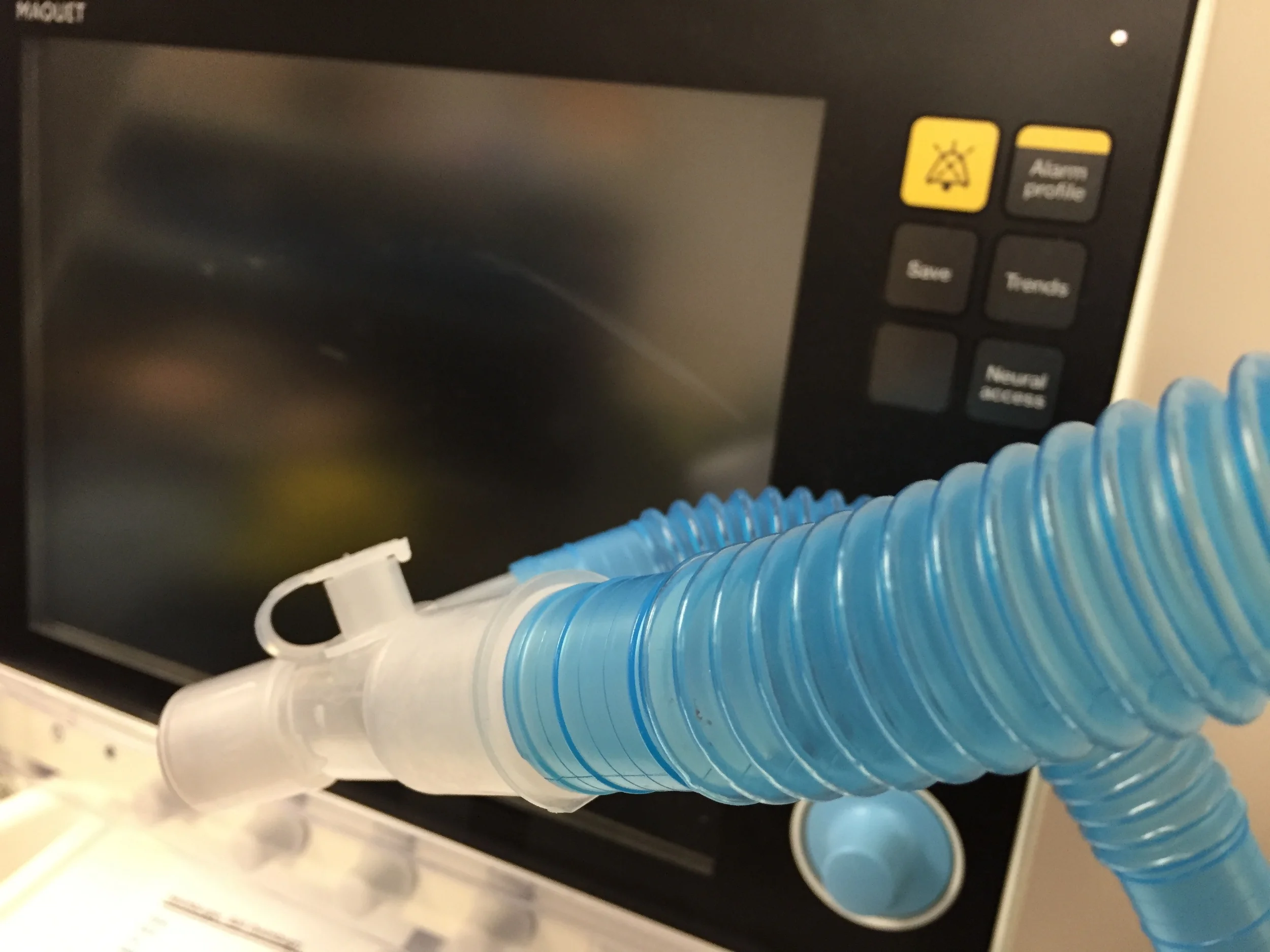
Evidence-Based Emergency Medicine: Vent Management with Drs. Axelson & Scupp

The term Acute Lung Injury (ALI) is being phased out and instead Acute Respiratory Distress Syndrome (ARDS) is now graded mild, moderate, and severe depending on the PaO2:FiO2 ratio

The median onset of ARDS after presentation to the ED was 2 day but could be anywhere from 5 hours to 5 days

ARDS Net was a foundational trial in ventilator management and was a triall of tidal volume and plateau pressures.  The primary end point, mortality, was reduced by >20% when folks were on a low TV (6cc/kg) and lower PP (25-30 mm Hg).

Read More

Grand Rounds Recap - 3/11/15

Grand Rounds Recap - 3/11/15

Health Care Disparities with Dr. Ford

There is a well established distrust of the medical system by minorities, especially African Americans. The historic causes of this distrust are widespread and seen in nearly all stages of American Healthcare. A great resource is Medical Apartheid by Harriet Washington. Some key examples of the use of AA in medical advances: 

1800s: Slaves referred to as "clinical material" in medical schools and journal publications. Slave bought and used for experiments and experimental surgeries including the first successful vesicovaginal fistula repair (caused by forcep deliveries) which was done without anesthesia. 

1900-1930: "malaria therapy" with fatal falciparum used to try and treat syphilis. Tuskeegee experiments- subjects recruited under false pretense of "free testing and medical treatment" for syphilis experiment with no intention to treat despite PCN being widely available. "The future of the negro lies in the research laboratory..." Patients were offered a free burial when they died from the disease so that an autopsy may be performed. "as I see it, we have no further interest in these patients until they die..."

Read More

Soft Tissue Neck Radiographs

Soft Tissue Neck Radiographs

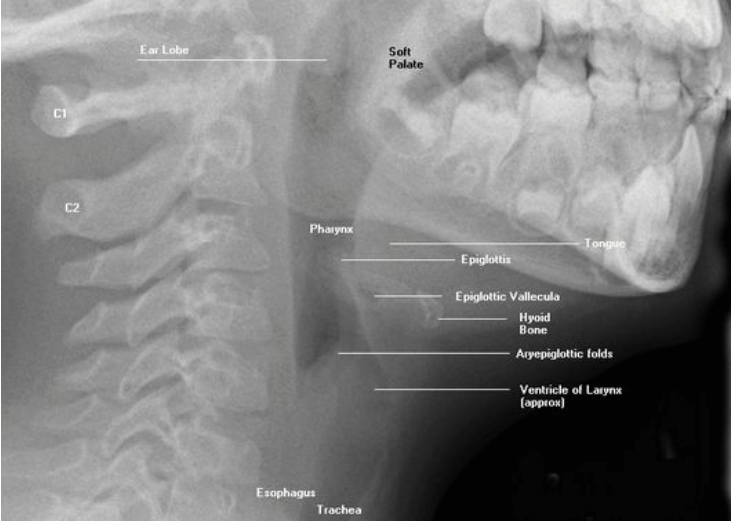
The soft-tissue neck radiograph can be an extremely useful tool in a variety of clinical situations. These include: epiglottitis, croup, retropharyngeal abscesses, and localization of airway foreign bodies. 

However, like any diagnostic tool, the soft tissue neck x-ray’s usefulness depends on knowledge of the relevant anatomy — particularly the normal size and appearance of various airway structures — as well as a systematic approach to each radiograph. We will discuss both the anatomy and radiographic approach in this blog post.

Read More

Grand Rounds Recap - 3/4/2014

Grand Rounds Recap - 3/4/2014

IABP With Dr. Wojciechowski

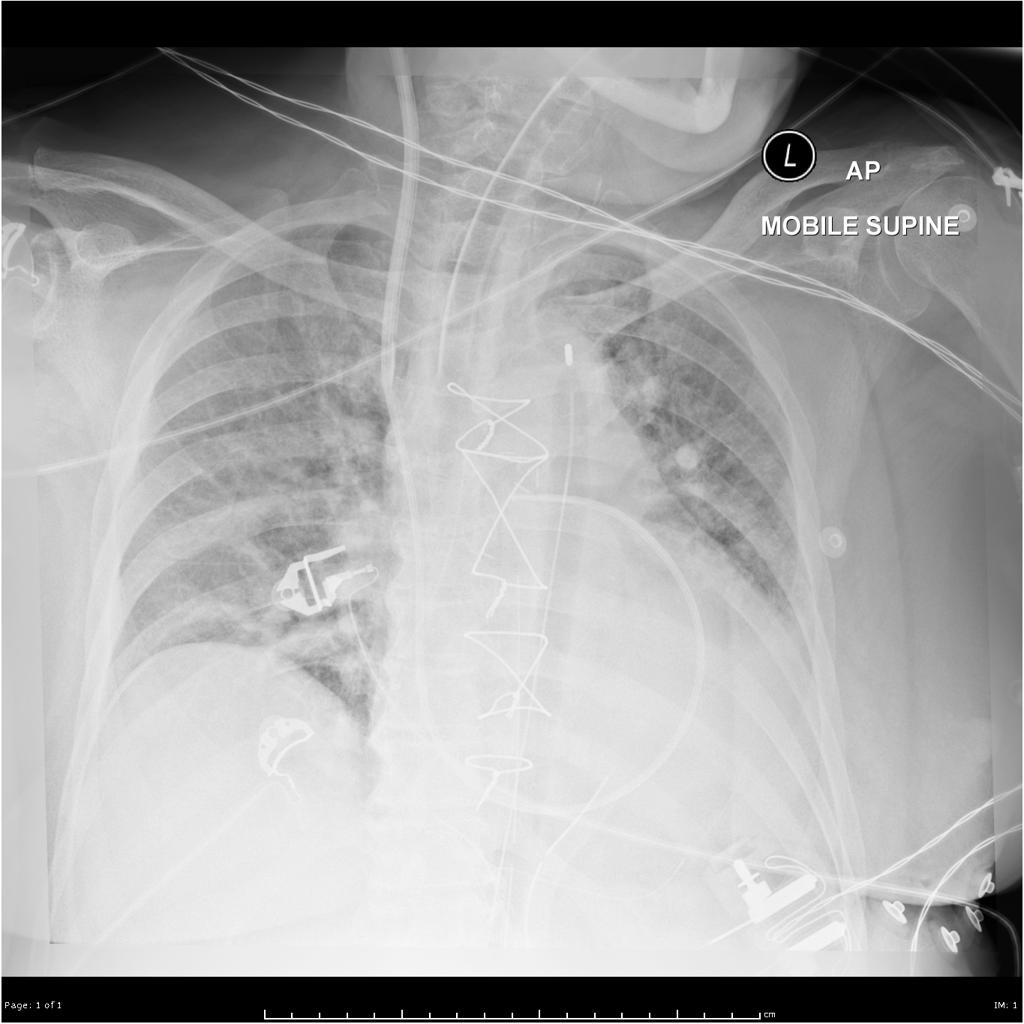
  • What is it? It's a ~10cm long intravascular balloon that inflates with 25-50ml of helium gas during diastole to increase the coronary perfusion pressure and decrease the afterload on the heart (coronary perfusion pressure = diastolic blood pressure - left ventricular end diastolic blood pressure). The catheter itself has a pressure transducer and a catheter that shuttles the helium gas.
  • Why helium? it is low density, metabolically inactive, and dissolves in blood in case the balloon were to rupture.
  • Who gets one? In general they are reserved for hemodynamically unstable patients as salvage therapy (STEMI with cardiogenic shock, acute MI that can't be reperfused, high risk CABG, failed maximal medical therapy).
Read More

Hemoptysis

Hemoptysis

What is it?  Bleeding below the cords

More specifically, it may be subdivided into Massive and Non-Massive hemoptysis.  And while the definitions of massive vary from paper to paper, it is generally agreed that increasing volume over 24 hours is associated with increased mortality.  However, the literature consistently concludes that patients and providers are poor, at best, at estimating volume.  Thus, the simplest and most effective definition for massive hemoptysis is as such: expectoration of blood causing hemodynamic instability or abnormal gas exchange / airway obstruction.

Read More

Grand Rounds Recap - 2/18/2015

Grand Rounds Recap - 2/18/2015

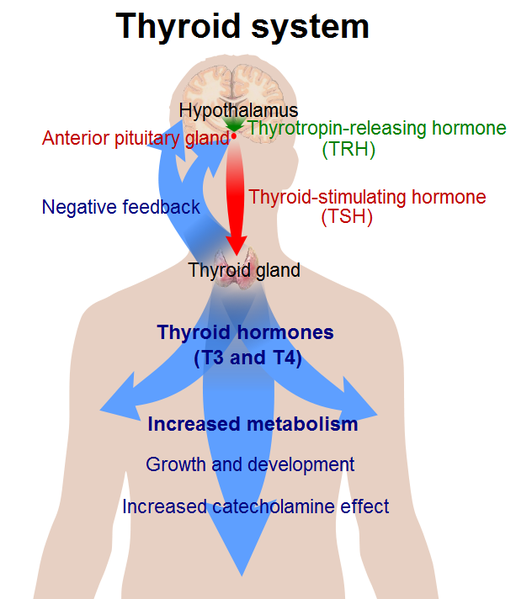
Hyperthyroidism: 1.3% of the US population has hyperthyroid. Thyrotoxicosis = too much thyroid hormone activity. Remember, T4 is a prohormone and T3 is the bioactive form. Causes of hyperthyroidism are broad and include: inappropriate thyroid stimulation, autonomous release of excess thyroid hormone, excessive release of thyroid stores, extra-thyroid sources of hormone. Hyperthyroidism increases risk of all-cause cardiovascular mortality and incidence of Afib. Diagnosis of hyperthyroid made by TSH <0.1 and high free T4. Iodine uptake test helps to find nodules and differentiate from thyroiditis. 

Thyroid Storm: an exacerbation of thyrotoxicosis leading to multi-organ failure. Mortality is high at 10-30%. Precipitating factors include: thyroid surgery, radioiodine treatment, medication and medication adjustment. Symptoms: febrile, tachycardic, agitation, seizures, psychosis, delirium, transaminitis. Diagnostic scoring system based upon signs and symptoms, not lab values. Treatment: propylthiouricil is available but not commonly recommended due to hepatic toxicity. Methimazole is preferred, but takes several hours to work. In the mean-time, use propanolol to decrease the effects of the hormone (the only beta blocker that crosses the BBB so is ideal at treating CNS symptoms). 1 hour after giving methimazole, can give iodine. 

Read More

The Approach to the Foot X-ray

The Approach to the Foot X-ray

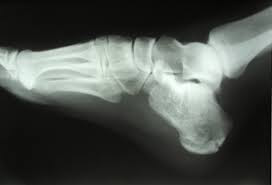
Any way you slice it, foot x-rays are a pain to read.  Complicated by a number of overlapping bones, joints, the presence of multiple sesamoid bones, and multiple radiographic views, it's easy to get lost in the weeds trying to sort out normal variant from pathology.  Take a look at this short Blendspace module by PGY-1 Lauren Titone, MD and get a better understanding of the normal anatomy and a systematic approach to reading foot x-rays.

Read More

Grand Rounds Recap - 2/11/15

Grand Rounds Recap - 2/11/15

Repeat 6 Hour Head CT in Mild TBI Patients with Dr. Kreitzer

Mild TBI = GCS > or = 13

  • Incidence of NSG intervention 0.9%
  • Mortality 0.1%

Why Consider a 6 hour CT scan?

  • Pros: quicker disposition, avoidance of unnecessary admission
  • Cons: extra radiation, does not address post concussive symptoms

ACEP policy: mild TBI patients with normal head CT and normal mental status can be discharged home

Read More

Grand Rounds Recap: Critical Care Symposium - 2/4/15

Grand Rounds Recap: Critical Care Symposium - 2/4/15

Pressor Primer with Dr. Hebbeler-Clark

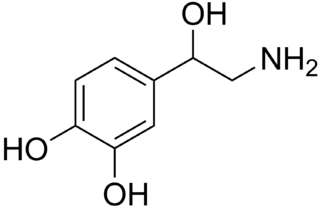
  • Norepinephrine seems to be on top in terms of vasopressor of choice currently (consider it your "easy button")
  • Per Surviving Sepsis Guidelines, Norepi has level 1B evidence as a first line pressor, while Epi is your second line with level 2B evidence and Vasopressin is currently ungraded in terms of evidence level
  • There have been 4 RCT's confirming that Norepi has no mortality difference from Epi and given it's safer side effect profile, use it regularly
Read More

Grand Rounds Recap - 1/28/15

Grand Rounds Recap - 1/28/15

Mortality & Morbidity Conference with Dr. Bohanske

When volumes are high, remember the patient experience can be improved by acknowledging wait times when entering the room and apologizing for their wait.

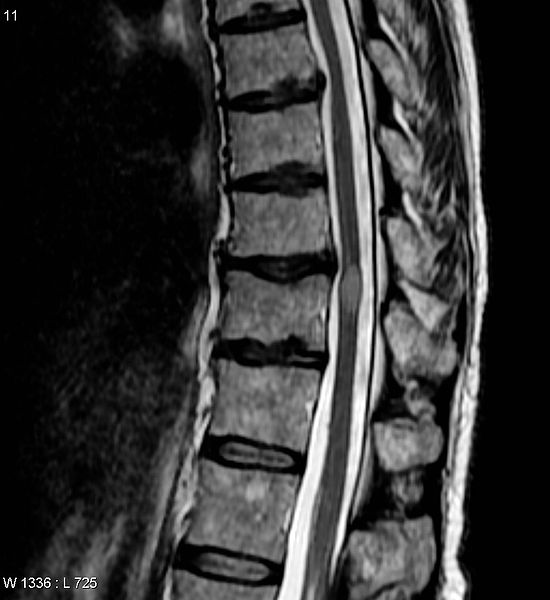
Transverse myelitis is a result of partial inflammation of the spinal cord that can sometimes lead to necrosis.

  • The disease process is often progressive and function does not always return after treatment.
  • Most commonly this is idiopathic in nature but it is often attributed to a post-infectious inflammatory state.
  • Differential diagnosis should always include cord ischemia versus compression, and diagnosis hinges on a T2-weighted MRI.
Read More

The Search for the Holy Grail: Assessment of Fluid Responsiveness

The Search for the Holy Grail: Assessment of Fluid Responsiveness

Last week our residents and faculty met for journal club in search of the holy grail.. err.. I mean, to talk about ways to assess volume responsiveness.  A couple of weeks back the PGY-1 and 2  residents met and discussed a number of questions they had about the care and management of patients with sepsis.  The discussion hit on a number of key topics: empiric antibiotic selection, timing of antibiotics, choice of vasopressors, etc.  Ultimately the group decided they wanted to take a closer look at non-invasive ways to assess volume responsiveness and guide resuscitation in septic patients.

Read More