
Tamingthesru

Grand Rounds Recap 1.10.24
We started off the day strong with a R4 Case Follow Up lecture presented by Dr. Yates who led an excellent discussion on psychosis, including maintaining a broad differential for secondary psychosis and appropriate management. We then transitioned to an R1 Clinical Knowledge lecture where Dr. Segev guided us through interstitial lung disease and fibrosis ranging from epidemiology to diagnosis and treatment. This then followed by a hand-on high acuity low opportunity procedure review including esophageal balloon tamponade, transvenous pacemaker placement, and chest wall escharotomy. The hands-on sessions continued into the afternoon where our CCHMC colleagues led a simulation on neonatal shock. Overall, a great day at UCEM Grand Rounds!

Grand Rounds Recap 05.20.20
This week we used two papers addressing implicit biases in healthcare as a platform to discuss systematic reviews and meta-analyses in Journal Club. Dr. Dave Thompson then led us through the latest installment of the quality improvement series with insights for how to lead QI initiatives. Dr. Crawford reviewed tick-borne illnesses in her R1 clinical knowledge presentation, and Dr. Modi discussed highlights of management and prognostication of refractory v-fib arrest. Finally, the Air Care team brought us up to speed on a wealth of topics in this edition of the Air Care Grand Rounds series.
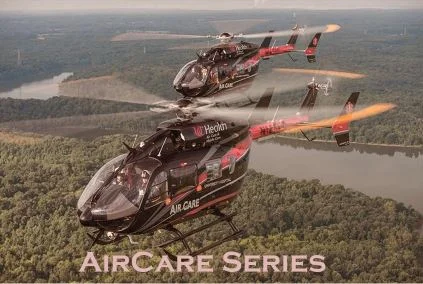
Air Care Series: Burns Management
Severely burned patients can be intimidating for even the most seasoned critical care transport providers. These patients often require aggressive resuscitation and multiple procedures in a relatively short period of time. It is often easy for providers to become overwhelmed, necessitating an algorithmic approach to the patient, similar to traumatically injured patients, is crucial. By advancing through the primary survey and stabilizing the patient while starting aggressive but goal directed crystalloid resuscitation, critical care transport providers can bring ICU level care to one of the sickest pre-hospital patient populations.