Welcome to the new Tamingthesru
Same great content - new look - improved search
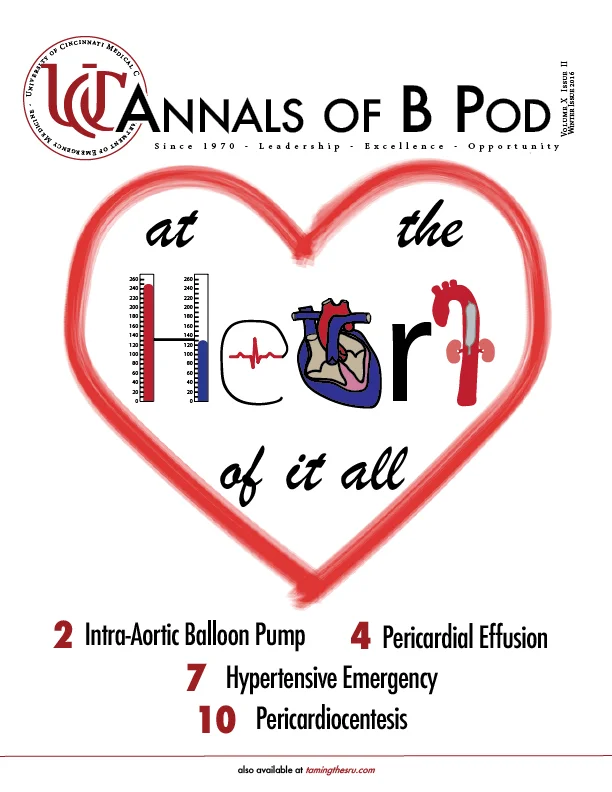
Annals of B Pod: December Issue!
In this Winter 2016 edition of Annals of B Pod, we focus on cardiovascular emergencies and their management in the Emergency Department and beyond. In our new Air Care column, we write about the prehospital management of patients with profound cardiogenic shock requiring intra-aortic balloon pumps. In our recurring pharmacology column, we discuss the ED management of hypertensive emergency. Back in B Pod, Dr. Scanlon writes about a rare complication of renal failure in a patient with a large uremic pericardial effusion, and in our new procedure piece, we walk through the technical steps required to perform an emergent pericardiocentesis. On the back page, our EKG corner goes over the modified Sgarbossa criteria. This issue of Annals of B Pod gets back to the heart of it all, highlighting what makes residency so rewarding: interesting pathology, challenging procedures and clinical excellence.
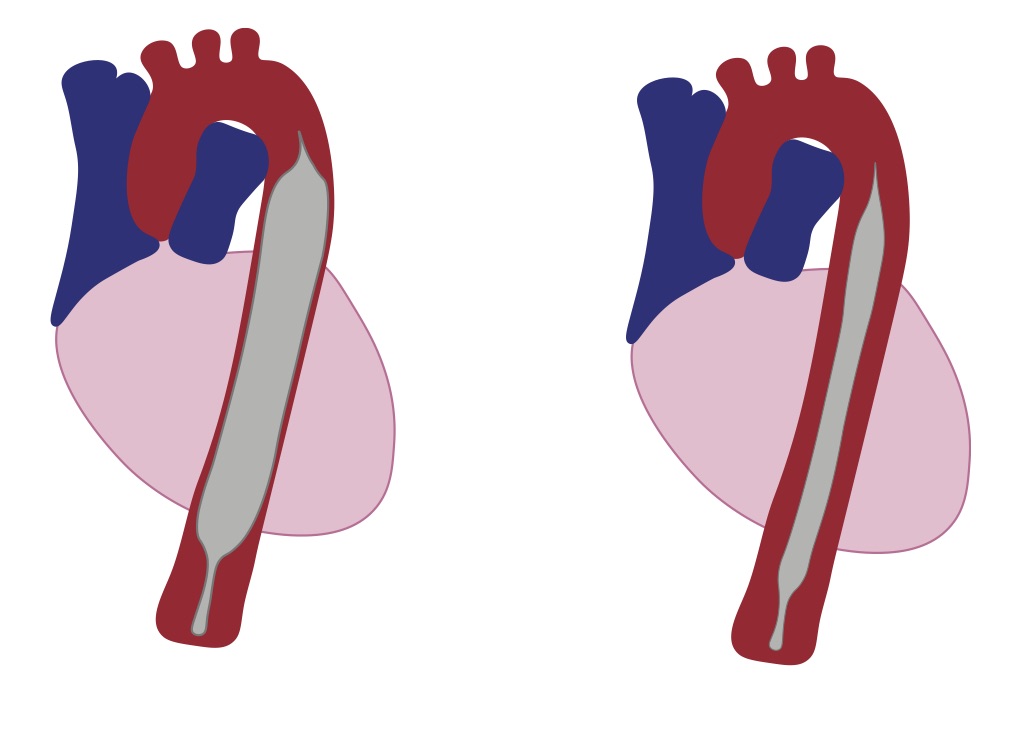
Annals of B-Pod: Intra-Aortic Balloon Pump
The third Annals of B Pod December Issue highlights a new section - highlighting cases on the front lines in the helicopter. The intra-aortic balloon pump (IABP), first developed in the 1960s, is one of the most widely-used cardiac assist devices. Placed in critically-ill patients with cardiogenic shock, it increases coronary blood flow and decreases afterload. Patients with IABPs are frequently transferred to tertiary referral hospitals via helicopter emergency medical services (HEMS) transport. As such, prehospital and ED providers must become comfortable with the management of these patients and be aware of complications from these devices, we will take a look at two Air Care cases with IABPs.

Clinical Diagnostics: Laboratory Studies in Hepatic Failure
There are many groups of patients that alter how we must evaluate and interpret our diagnostic studies in the setting of baseline chronic laboratory abnormalities, which is often challenging. One especially challenging patient population are patients with chronic liver disease, and in this post Dr. Jarrell will take us into how their disease process creates chronic and acute on chronic derangements of which we need to be aware in daily and emergent management of these patients.