Annals of B Pod - Neurolisteriosis
/
An immunocompromised patient meets a pathogen lurking in soft cheese, and a case of encephalitis ensues. Read on to learn about neurolisteriosis with Dr. Wolochatiuk.
Read MoreAn immunocompromised patient meets a pathogen lurking in soft cheese, and a case of encephalitis ensues. Read on to learn about neurolisteriosis with Dr. Wolochatiuk.
Read MoreElectruction is a significant cause of morbidity and mortality with a widely variable injury pattern. Join the Air Care Series and Annals of B Pod teams as we dive into the pathophysiology and literature surrounding electrocution.
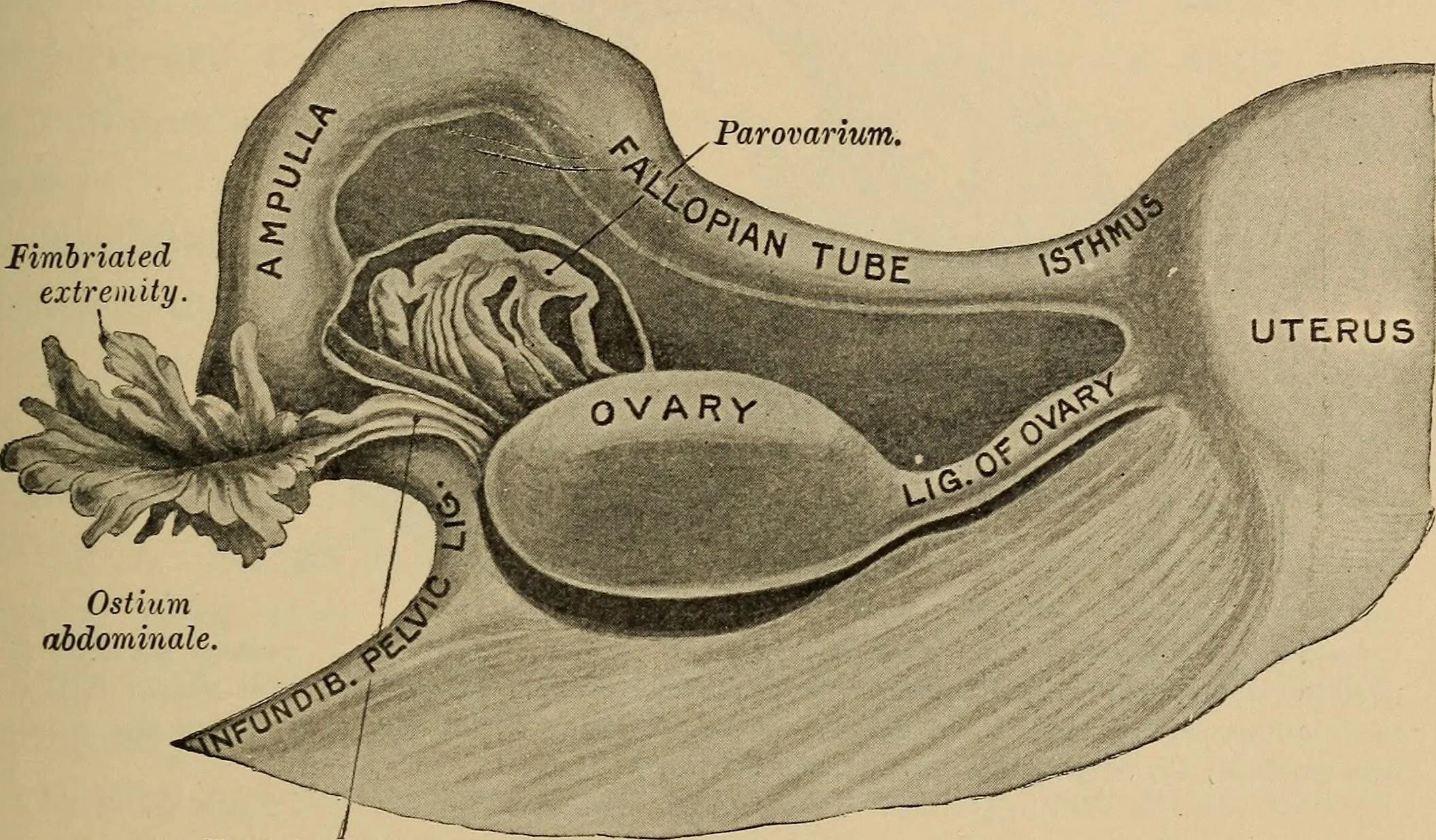
Read MoreWhen an ovary decides to play a game of twister, it’s time for the emergency medicine physician to intervene. Join us as Dr. Urbanowicz recounts a tale of an ovarian torsion.
Read MoreWondering what to do with a floppy baby that rolls into the ED? Perhaps one that has been snacking on the family’s fresh honey collection? Look no further than this case of infantile botulism, as told by Dr. Habib.
Read MoreSpring was a different kind of volume in B Pod, but it didn’t stop everything from the bread and butter and the strange from coming through. Join us for cases of neurolisteriosis, acyclovir toxicity, hypertension in pregnancy and botulism.
Read MoreEnjoy the new issue of Annals of B Pod from a safe social distance. Neurocysticercosis, IV fluids, ultrasound and more - all for your peer reviewed education.
Read MoreIt’s a derm-ergency! Dr. Pulvino presents two cases of mysterious rashes seen in the emergency department.
Read MoreThe pork tapeworm likes to live peacefully in pigs and human intestines, but what happens when human brains become the incidental hosts of T. solium? Join us as Dr. Gawron recounts an interesting presentation of neurocysticercosis.
Read MoreNormal saline has taken hold as the de facto resuscitative fluid in the majority of health care institutions in the developed world. Walk through the recent data with Dr. Christopher Shaw which suggests that balanced fluids may provide benefit to patients suffering from a wide array of critical illnesses.
Read MoreHypokalemia is a commonly seen laboratory abnormality which is often unappreciated in the emergency department. Join us as we take a deep dive into the presentation and life threatening consequences of a patient with severe hypokalemia as we review a previous case from an international leader in critical care transport medicine, Air Care.
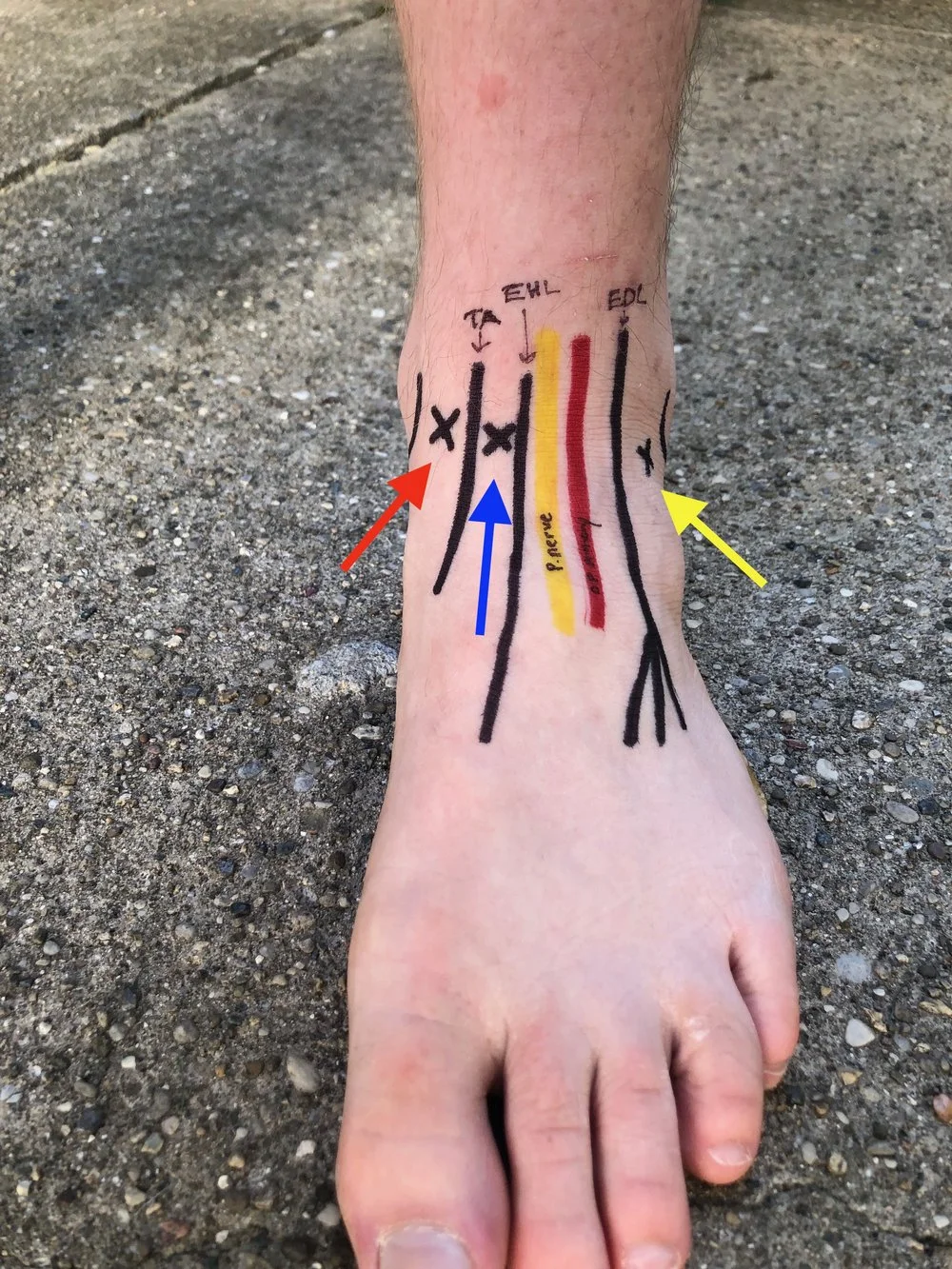
Read MoreFar too often we are faced with the situation in which we are concerned about septic arthritis in a patient’s ankle. Although tapping the ankle can be a daunting task, Dr. Leech provides us with a guide in this month’s minor care post to make difficulty with ankle arthrocentesis a problem of the past.
Read MoreNot every bradycardic patient is the same, however sometimes their past history gives away their pathology and you need to manage a complex disease in the ED or in transit to the ICU. Remind yourself of the details of the cardiac action potential as Dr. Roblee walks us through a unique case of Long QT Syndrome.
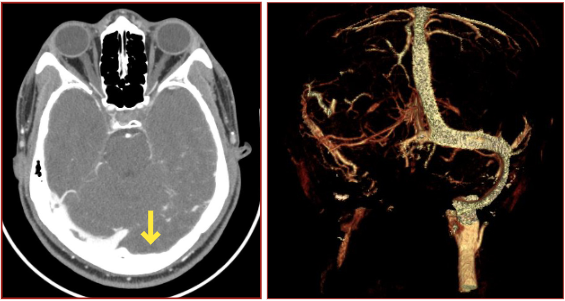
Read MoreThe headache is the simplest and most complex we see on a daily basis in the ED, but it is important to consider, on both ends, how the coagulation cascade can go awry and be a causative source. Dr. Gawron walks us through a patient presenting with an unprovoked and rather discourteous dural venous sinus thrombosis, its natural history, and appropriate emergent evaluation and management.
Read MoreSpinal cord injuries are nothing to shake your head at, though. As Dr. Jensen eloquently dissects in his review of neurogenic shock, emergency physicians can play a tremendous role in the ultimate outcomes of patients with vasodilatory shock secondary with the prompt recognition and appropriate management of spinal cord pathology.
Read MoreIt is said that that the relatively high salt content of human serum and cerebrospinal fluid stems from our ancestral ties to the sea, that we carry a bit of the ocean around inside of us as a legacy, an homage to the brave evolutionary progenitor that first crawled out of the water and onto land. Unfortunately, our bodies must work hard to maintain that hypertonicity. Small fluctuations in our serum and CSF sodium content can lead to significant swelling or, more devastatingly, pronounced shrinking. Dr. Frederick’s fabulous article deftly details the clinical entity known as osmotic demyelination syndrome. Soak up the presenting features, clinical management, and dire prognosis of this much feared but rarely seen pathology.
Read MoreSRU (pronounced "shrew") = Shock Resuscitation Unit
Training in, and managing, the SRU is one of the crown jewels of our residency. It is where the sickest of the sick patients are found in our ED. It is a crucible, a test of knowledge and strength, and a true manifestation of the tripartite mission of our department: Leadership, Excellence, and Opportunity.
Training in, and managing, the SRU is one of the crown jewels of our residency. It is where the sickest of the sick patients are found in our ED. It is a crucible, a test of knowledge and strength, and a true manifestation of the tripartite mission of our department: Leadership, Excellence, and Opportunity.
Check out AI contexted information from this and other great FOAMed sites via FOAMCortex