
Tamingthesru
Updates in Pediatric Cardiac Arrest
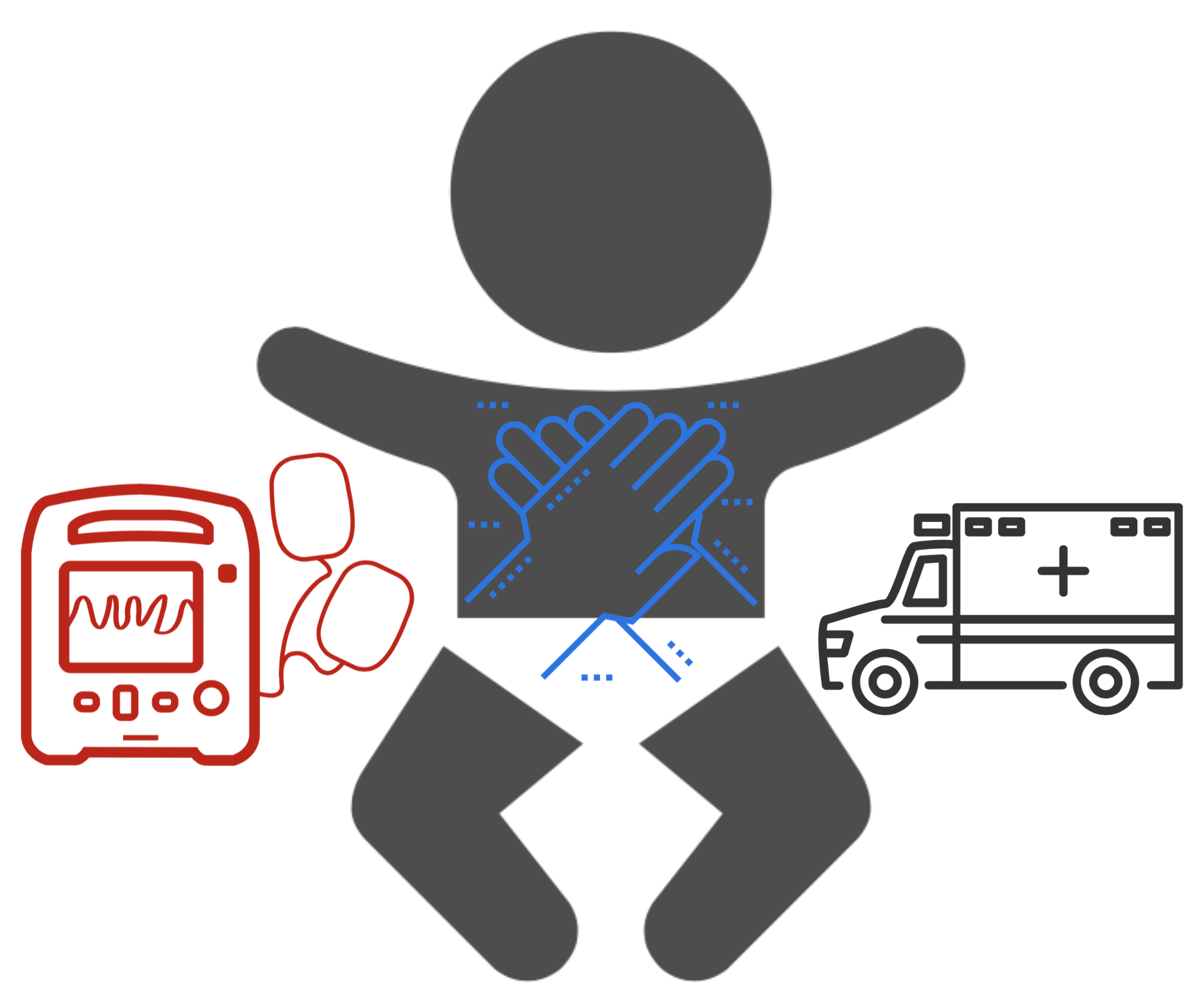
Pediatric cardiac arrests are, potentially, some of the most challenging patients for an emergency physician to care for. Cognitively, emotionally; these patients push us to our very limits. In this journal club recap, we cover 3 recently published articles looking at the care of these patients. Should survivors be cooled? Is Epi any good? Which is better amiodarone or lidocaine?

Grand Rounds Recap 3.20.19
Enjoy this week’s Grand Rounds Recap! Dr. Jordan Bonomo started us off with a fascinating talk on brain death, and how therapeutic hypothermia in the post-arrest patient can make this diagnosis more challenging. Next up, Dr. Harrison taught us some pearls on management of the bradycardic peri-arrest patient. Dr. Nagle shared with a us how to rescuscitate a patient with acute aortic dissection. Lastly, Dr. Summers talked to us about PRES and how to recognize and treat this rare disorder.
Lessons in Transport - Therapeutic Hypothermia Part 3
Common Issues in Therapeutic Hypothermia
1) Bradycardia: may occur during induced hypothermia (even to as low as 35 bpm) and except in rare cases, is NOT a reason to discontinue hypothermia.
- If bradycardia is severe, associated with persistent hypotension, and is not responsive to fluid and vasopressor therapy, a decision in conjunction with medical control to discontinue hypothermia may be made.
2) Dysrhythmias: generally does not occur unless temperatures fall < 30*C and hypothermia related ventricular fibrillation is rare unless temperature is < 28*C.