
Tamingthesru
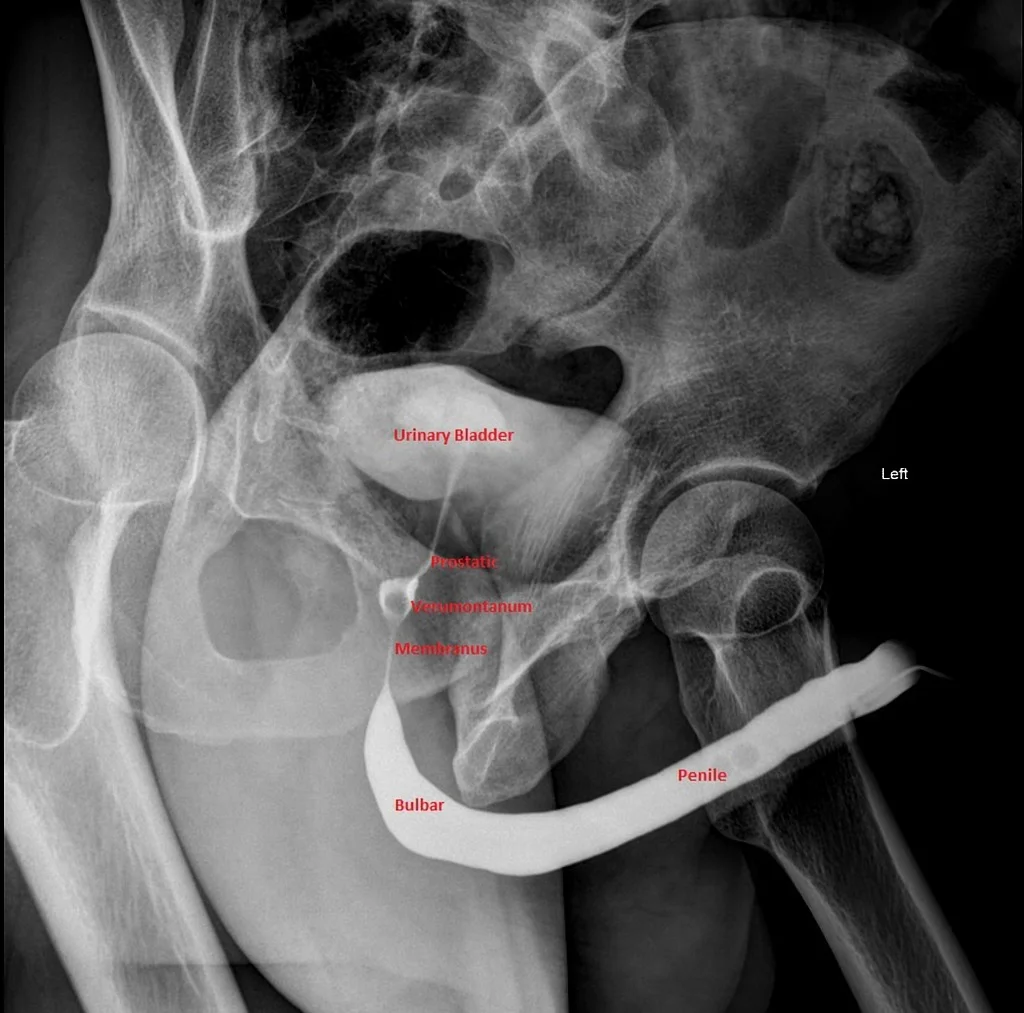
The Importance of the RUG
It is early on in your residency training, when you receive sign-out of a patient who was involved in an MVC with multiple injuries including a stable pelvic injury. The patient, a middle-aged male, has not voided three hours into his visit and there is no mention of any obvious genital trauma. He has had a negative FAST exam in addition to the rest of your primary and secondary assessment. The patient mentions to the nurse that he is trying to urinate but cannot void and has some discomfort. The bladder scan shows that the patient has about 500cc of urine and when the nurse goes to place a urinary catheter she pauses as she sees what appears to be dried blood at the urethral opening. After reassessing the patient who is still hemodynamically stable with normal mentation, his findings are discussed with Urology who recommend getting a retrograde urethrogram prior to any additional procedures.

Grand Rounds Recap 10.26
We had another great week at Grand Rounds to wrap up the month of October. Dr. Betham ran the gamut of medical knowledge in her M&M, teaching us from organophosphate poisoning to rhabdomyolysis. Drs. Merriam and Curry battled in a CPC about submassive and massive PE. Dr. Shewakramani taught us about all things dental and Dr. Scupp brought it home with his soapbox about the importance of balance in IV fluid resuscitation.

Crash and Burn: The Approach to the MVC Patient
Certain pathology gets a lot of attention in medical school. Stroke? Sure! Tests love asking about which vessel is blocked based on clues from the physical exam. And rightly so; a fund of medical knowledge is certainly valuable when it comes to identifying pathology such as this. However, when faced with a problem like blunt trauma, i.e. the “MVC”, one may find that there are also many practical and logistical factors that require bedside experience, ranging from marshaling of resources to reconciling patient presentation with reported mechanism of injury...