
Tamingthesru
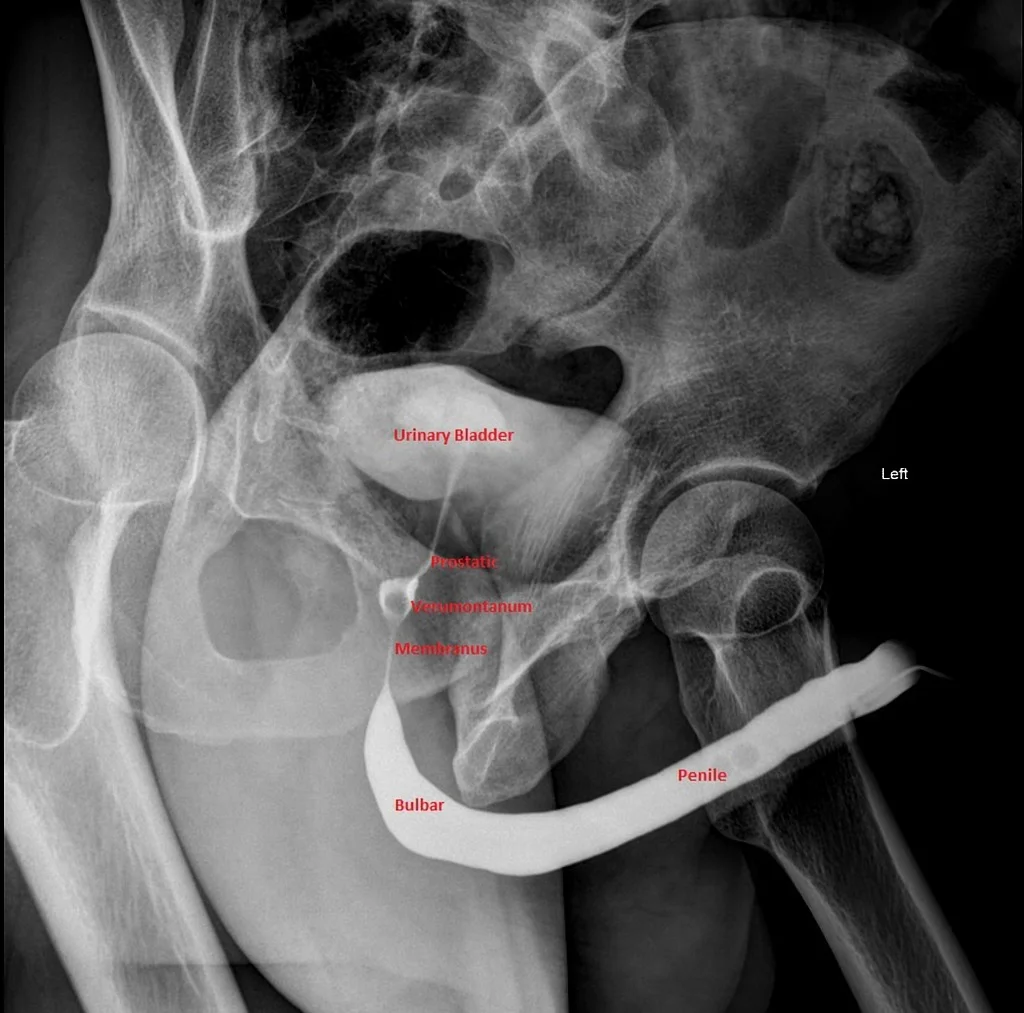
The Importance of the RUG
It is early on in your residency training, when you receive sign-out of a patient who was involved in an MVC with multiple injuries including a stable pelvic injury. The patient, a middle-aged male, has not voided three hours into his visit and there is no mention of any obvious genital trauma. He has had a negative FAST exam in addition to the rest of your primary and secondary assessment. The patient mentions to the nurse that he is trying to urinate but cannot void and has some discomfort. The bladder scan shows that the patient has about 500cc of urine and when the nurse goes to place a urinary catheter she pauses as she sees what appears to be dried blood at the urethral opening. After reassessing the patient who is still hemodynamically stable with normal mentation, his findings are discussed with Urology who recommend getting a retrograde urethrogram prior to any additional procedures.

Grand Rounds Recap 3.14.18
This week's Grand Rounds opened with Dr. Curry discussing the paucity of literature on double defibrillation in VF. Dr. Mand then led small group discussions about the clinical utility of the pelvic xray. This was followed by Dr. Kreitzer expertly identifying incomplete Brown-Sequard Syndrome in Dr. Banning's CPC. Dr. Liebman discussed an interesting presentation of meningitis in a pediatric patient. Finally, our PEM colleagues led case based presentations of pediatric DKA, cat scratch disease, and a simulation featuring a patient in hypothermic cardiac arrest.

Back to Basics: Pelvic XRays
Pelvic Xrays are a key component of trauma, fractures and dislocations seen every day in the ED, but when is the last time you went back over the anatomy and radiographic tips and tricks of the pelvic radiograph? Join Dr. Mand's thorough break down of this commonly used ED diagnostic - the Pelvic XR.