
Tamingthesru
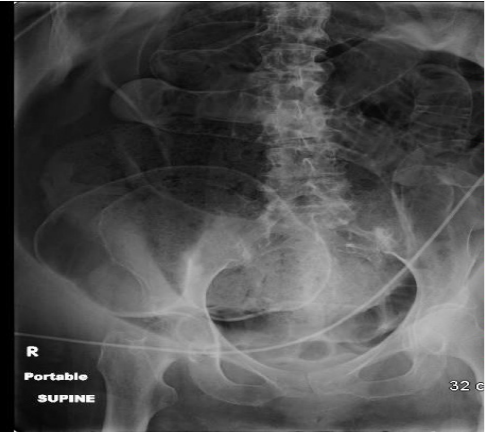
Annals of B-Pod: Abdominal Compartment Syndrome
While compartment syndrome of the extremities is a much feared complication - what happens when you get compartment syndrome of the abdomen? Does this mean you really shouldn't trust your gut? In this article, Dr. Harty discusses through the evaluation and management of abdominal compartment syndrome in this week's issue of Annals of B-Pod.
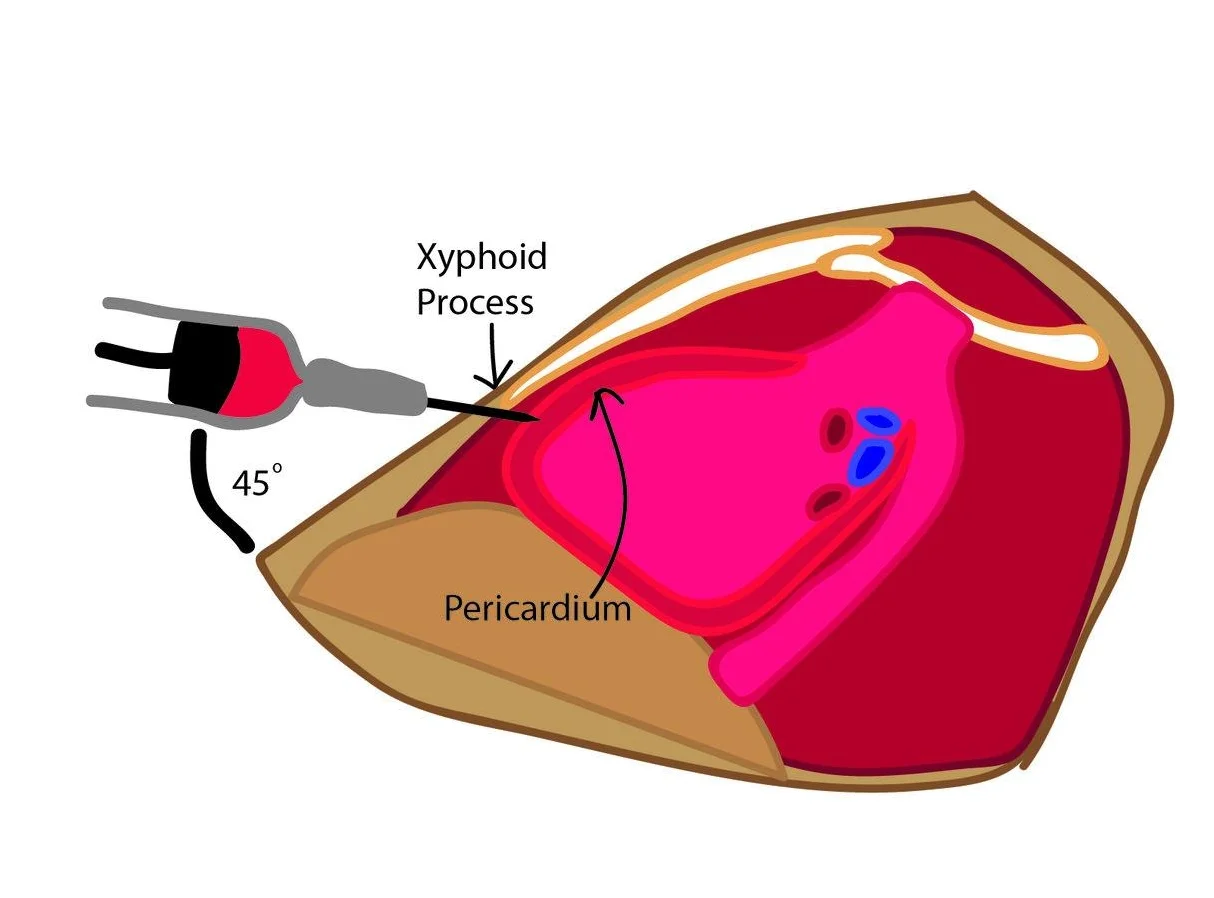
Annals of B Pod - B Pod Case: Taking Renal Failure to Heart
The first article from the December 2016 issue of Annals of B Pod is of a patient that is a male in his late 30s with a past medical history significant for trisomy 21, stage III chronic kidney disease of unspecified etiology, and hypertension who presents to the Emergency Department with emesis and dark stools. The patient is unable to contribute significantly to his history, but his family relates that two days prior to presentation, the patient experienced two episodes of “coffee ground” emesis according to the patient’s home health nurse. Over the next day, the patient subsequently experienced several episodes of melenic stools. His family also notes that he has seemed feverish, more lethargic, and less active than his baseline.

B Pod Case: Double Vision
78 year old male with past medical history coronary artery disease status post stenting, hypertension, hyperlipidemia, chronic kidney disease presents with a chief complaint of double vision, feeling off balance. Patient states he awoke this morning with double vision. He states this sensation of double vision is worse when he looks side to side, and completely resolves when he closes one of his eyes. He does not wear glasses or contacts and denies any eye pain or trauma. Also, since this morning he has felt somewhat off balance, however denies any focal numbness or weakness of extremities. He noted an episode of slurred speech approximately 1 hour prior to arrival that has since resolved. No other difficulties with word finding or language. Otherwise patient denies headache, head trauma, neck pain, chest pain, or shortness of breath. He has not had symptoms like this in the past.