Lessons in Transport - To Cool or Not to Cool?
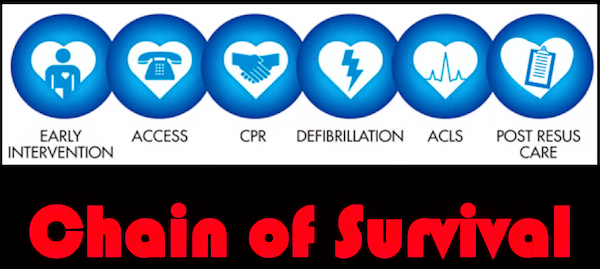
Chain of survival
To COOL or NOT To COOL that is the question...
(Read each of the following scenarios & honestly ask yourself if this is a patient suitable for therapeutic hypothermia)
Scenario 1: 67 yo male scene STEMI, witnessed Vfib arrest with ROSC, GCS 3T, stable vitals
Scenario 2: 24 yo female MVC, ejected, hypotensive for EMS, 10 minute cardiac arrest with ROSC, GCS 3T
Scenario 3: 2 yo female cardiac arrest suspected choking, ROSC after removing food from her airway. GCS 4T (1T2)
Scenario 4: 18 yo male cardiac arrest suspected drug over dose, ROSC at outside hospital. GCS 9T (2T6)
Scenario 5: 30 yo female sudden onset of dyspnea then 30 min arrest with ROSC, hysterectomy 2 weeks ago, GCS 3T
Therapeutic Hypothermia Inclusion Criteria:
Cardiac arrest with return of spontaneous circulation (Note: any presenting rhythm can be cooled)
NOTfollowing commands
Trauma is NOTthe cause of cardiac arrest
No DNR/DNI
Hypothermia Exclusion Criteria:
Patient is currentlyfollowing commands
Trauma is the cause of cardiac arrest
Age < 15 yo (AT THIS TIME CCHMC IS NOT PERFORMING THERAPEUTIC HYPOTHERMIA FOR POST ARREST PEDIATRICS)
Known intracranial hemorrhage or stroke.
Active DNR/DNI paper
Hypothermia as the cause for the cardiac arrest. (These patients should be actively rewarmed)
Caution: these are cases that can still receive therapeutic hypothermia on a case-by-case basis but discussion with medical control or neurocritical care is advised before initiation of hypothermia
Major surgery within 1 week (ideal to discuss with surgeon first)
Female < 55 yo (consider pregnancy test prior to initiation of hypothermia)
Presenting temperature is < 32*C (and hypothermia is NOT the cause of the arrest)
Known intrinsic coagulopathy (Therapeutic anti-platelet or anticoagulation therapy is NOT a contraindication. Recommend discussing with neurocritical care before initiation)
Difficulty maintaining MAP > 70 mmHg (may use vasopressors as needed)
> 12 hours after ROSC
Pulselessness for greater than 60 minutes
***PEARL*** Save the attached UCMC inclusion and exclusion criteria to your mobile device for easy access
Therapeutic Hypothermia Inclusion Criteria
Authored by Ryan Gerecht, MD, CMTE and Diana Deimling, RN, BSN