
Tamingthesru

The Opioid Prescription Epidemic and the Role of the Emergency Medicine - Water Cooler Recap
80% of heroin users start by abusing prescription medications – this is OUR problem
Prescription medication overdose is now the leading cause of death from injury and the number of deaths from drug overdoses has increased every year since 1999. Estimates suggest between 6 and 12 million Americans receive prescription drugs either without prescription or without the intent of relieving pain. This article focuses on the ED provider’s role in this epidemic and offers strategies for improving training and education surrounding these medications. While heroin abuse tends to draw more attention, it is important to note that 80 percent of heroin users started their addiction by using prescription medications.
Pre-Ox, Ap-Ox, and NO DESAT - Water Cooler Rundown
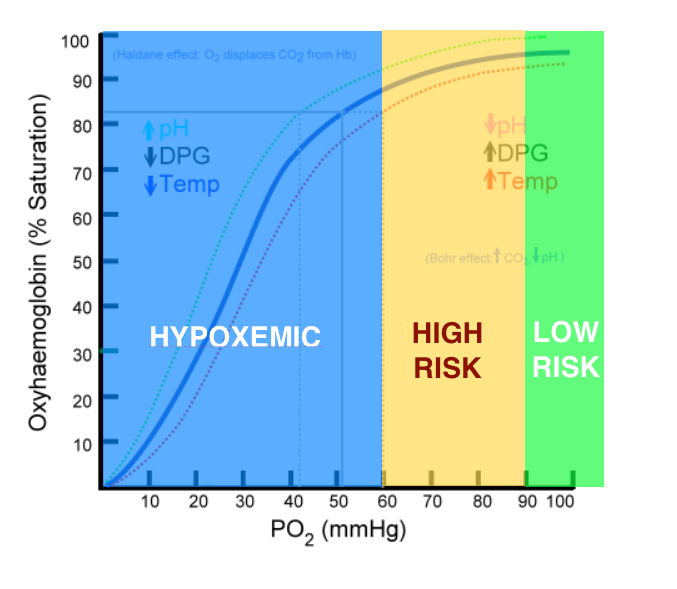
In 2012 in the Annals of Emergency Medicine, Weingart and Levitan published a review of preoxygenation and peri-intubation oxygenation techniques in the emergency airway management of adult patients. Topics reviewed included the evidentiary support for preoxygenation and denitrogenation, appropriate positioning and patient selection, the utility of positive pressure in select circumstances, apneic oxygenation, as well as a proposed risk stratification approach based on pulse oximetry levels and peri-intubation risk.
A great discussion was had with many excellent learning points, upon which some were elaborated in great detail in the article and some only briefly mentioned. What follows is a brief summary of learning points from the article as well as from the discussion.

Isn't that CT Enough? - Water Cooler Breakdown of CT vs CT/LP for SAH
Why Should You Care?
- Headache approximates 2% of presenting complaints to the ED, and SAH is identified in approximately 1% of those patients with headache in the ED.
- Overall mortality of SAH is high, estimated at 25-50% of patients dying within 6 months
- If not fatal, SAH leaves approximately 33% of survivors with some appreciable neurological deficit affecting their ADLs.