
Welcome to the new Tamingthesru
Same great content - new look - improved search

Intrathecal Baclofen Withdrawal
Intrathecal baclofen withdrawal is characterized by increased spasticity, hypertension, tachycardia, hyperthermia, altered mental status, and seizures. In the most severe cases, autonomic instability, rhabdomyolysis, diffuse intravascular coagulopathy, multisystem organ failure, and death can occur. In this episode of the research corner, we cover a recently published case report where intrathecal baclofen withdrawal was treated successfully with dexmedetomidine.

Grand Rounds Recap 1.29.20
This week we had another great M&M where Dr. Klaszky covered exciting topics such as refractory V fib, hypothermia and cerebral malaria. We learned about misnomers, mimics and lies about TB from Dr. Owens. Dr. Zalesky skillfully walked us through a simplified approach to reading brain MRIs. Lastly, Dr. Leech and Dr. Goel faced off in a CPC involving a patient with ALS.
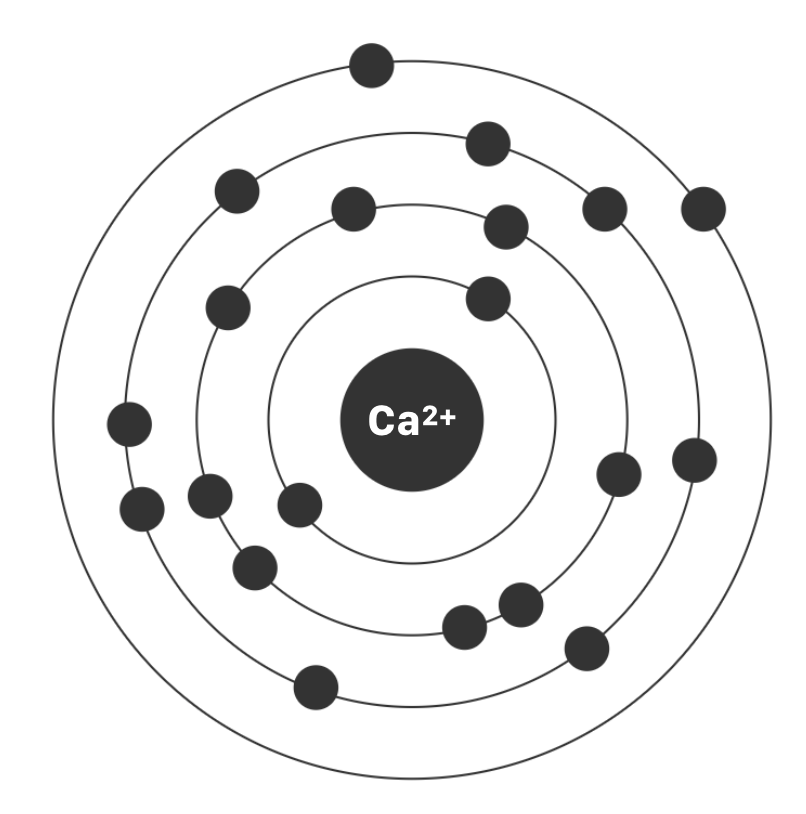
Hypocalcemia in Trauma
We are all familiar with the “lethal triad” of trauma – coagulopathy, hypothermia, and acidosis. We have multiple methods wherein we attempt to prevent or reverse these physiologic derangements. In particular, in recent years many teams have focused heavily on limited crystalloid infusions, increasing our early blood product transfusion (especially plasma), and early administration of tranexamic acid.
One of the main reasons we focus on these interventions is to address trauma-induced coagulopathy. Trauma-induced coagulopathy has a multifactorial etiology and is contributed to by the other corners of the triad (hypothermia and acidosis). However, one of the least appreciated contributing factors are electrolyte deficiencies, in particular calcium.