Welcome to the new Tamingthesru
Same great content - new look - improved search
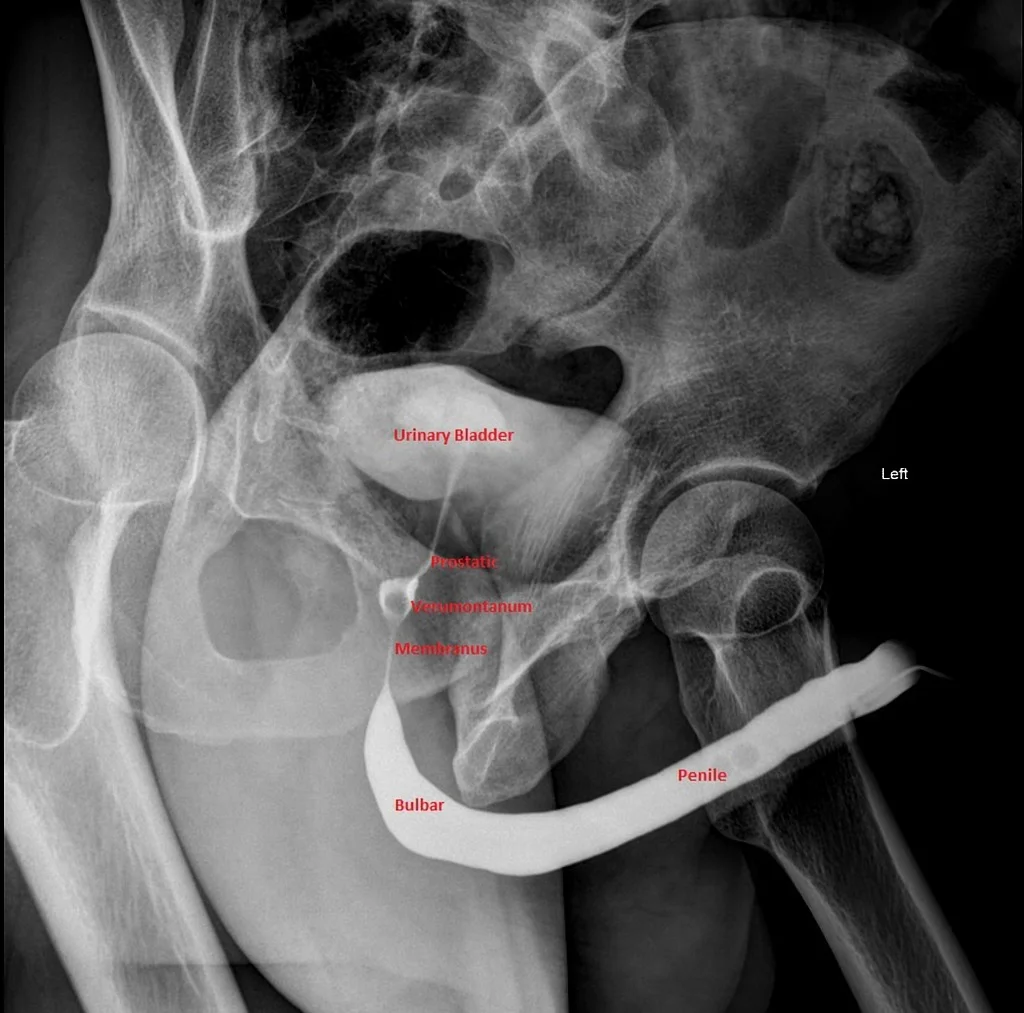
The Importance of the RUG
It is early on in your residency training, when you receive sign-out of a patient who was involved in an MVC with multiple injuries including a stable pelvic injury. The patient, a middle-aged male, has not voided three hours into his visit and there is no mention of any obvious genital trauma. He has had a negative FAST exam in addition to the rest of your primary and secondary assessment. The patient mentions to the nurse that he is trying to urinate but cannot void and has some discomfort. The bladder scan shows that the patient has about 500cc of urine and when the nurse goes to place a urinary catheter she pauses as she sees what appears to be dried blood at the urethral opening. After reassessing the patient who is still hemodynamically stable with normal mentation, his findings are discussed with Urology who recommend getting a retrograde urethrogram prior to any additional procedures.

Grand Rounds Recap 1.16.19
Welcome to another Grand Rounds Recap. This week Dr. Sayal, a visiting lecturer from North York General Hospital in Toronto, Canada, started us off with some pearls and pitfalls for the patient presenting with musculoskeletal complaints. Next up was Dr. Thompson who provided us some tips on how to prevent the most common patient and consultant complaints in the emergency department. Dr. Habib then led us through an interesting case involving an internal degloving injury. We then ended the day with small groups and a simulation led by Drs. Baez, Shaw, and Summers involving emergency obstetrical presentations. Be sure to check out the video of Dr. Isaac Shaw’s peri-mortem c-section simulation. See you next week.

The Head and the Heart: Hemodynamic Derangement in Isolated TBI
We know that alterations in hemodynamics do not only occur in hemorrhagic shock. Both obstructive (such as from tension pneumothorax) and neurogenic shock (for example, from a spinal cord transection), can result in hemodynamic compromise that would not be corrected by blood product administration. There have been some studies that have shown isolated traumatic brain injury (TBI) can also cause hemodynamic derangements. This article looks at a paper which attempts to examine the incidence of cardiovascular instability in patients with TBI.