
Welcome to the new Tamingthesru
Same great content - new look - improved search
The Importance of the RUG
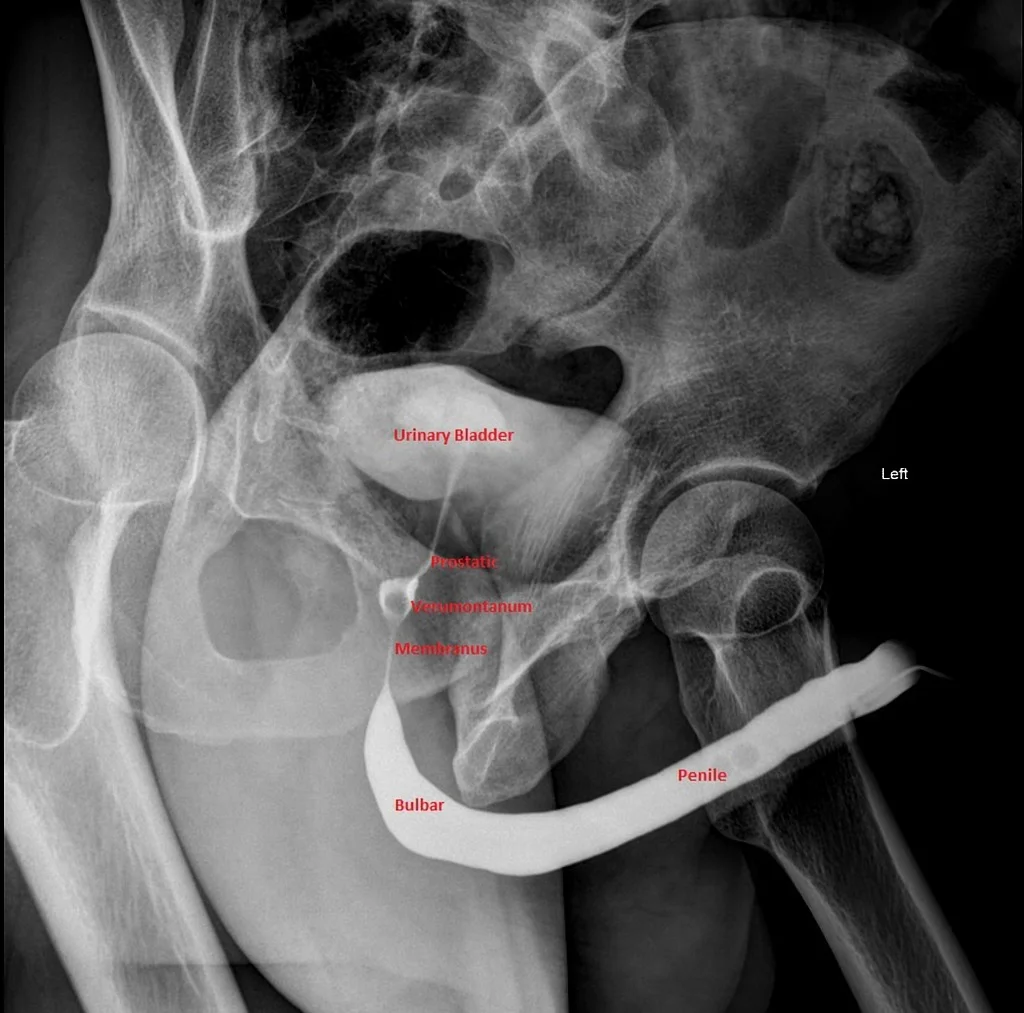
It is early on in your residency training, when you receive sign-out of a patient who was involved in an MVC with multiple injuries including a stable pelvic injury. The patient, a middle-aged male, has not voided three hours into his visit and there is no mention of any obvious genital trauma. He has had a negative FAST exam in addition to the rest of your primary and secondary assessment. The patient mentions to the nurse that he is trying to urinate but cannot void and has some discomfort. The bladder scan shows that the patient has about 500cc of urine and when the nurse goes to place a urinary catheter she pauses as she sees what appears to be dried blood at the urethral opening. After reassessing the patient who is still hemodynamically stable with normal mentation, his findings are discussed with Urology who recommend getting a retrograde urethrogram prior to any additional procedures.

Massive Transfusion Triggers: Back to the ABCs (score)
Massive Transfusion (MT) is a life-saving trigger in trauma centers, but heavy is the burden of activating significant resources without knowing the blood products will go to good use. The ABC is the ACS recommendation, is easy and requires no additional testing, however newer weighted scores like PWH and TASH have showed promise in external validations. This week, Dr. Laurence takes a deep dive into the literature behind these triggers, their validation as well as some take aways for your use of life-saving Massive Transfusion.

To Scan or Not to Scan? PECARN for Pediatric Head Trauma.
When a child comes in to the emergency department for head trauma, it can be difficult to balance unwanted, and possibly unnecessary radiation, with the risk of missing clinically significant head trauma. CT scans of the head allow providers to rapidly identify, and subsequently address dangerous and potentially life-threatening intracranial trauma and hemorrhages. However, as with everything in medicine, a CT scan is not without risks, particularly in the pediatric patient. With over 500,000 ED visits per year dedicated to pediatric head traumas, this is a challenge that emergency medicine providers face frequently (1). A study published in 2001 suggests that approximately 170 deaths were attributable to one year of CT head examinations in pediatric patients (2), and utilization of CT imaging has only increased since. Therefore, as with any radiation based imaging, careful consideration should be given to whether the test is truly necessary. As mechanism of injury and post-trauma symptoms can range drastically, it can be difficult to accurately assess the appropriateness of imaging in a child. As such, the pediatric emergency care applied research network (PECARN) worked to develop a clinical decision tool to guide clinicians in the need for head CT following pediatric head trauma.