
Welcome to the new Tamingthesru
Same great content - new look - improved search

The Urine Drug Screen - Know Thy Limitations
We are all guilty of ordering them in the ED, but do we really know what we’re ordering?
The Implications of the Urine Drug Screen
1 literature review looked at 7 different retrospective studies describing a total of 1,405 patients and found the urine drug screen did not affect the management of any of these patients while in the emergency department. However, the data from the UDS can affect a patient’s clinical care outside of the Emergency Department. For example, if a patient requires psychiatric inpatient care, initial knowledge of drug abuse could affect this patient’s etiology of illness or rehabilitation plan.
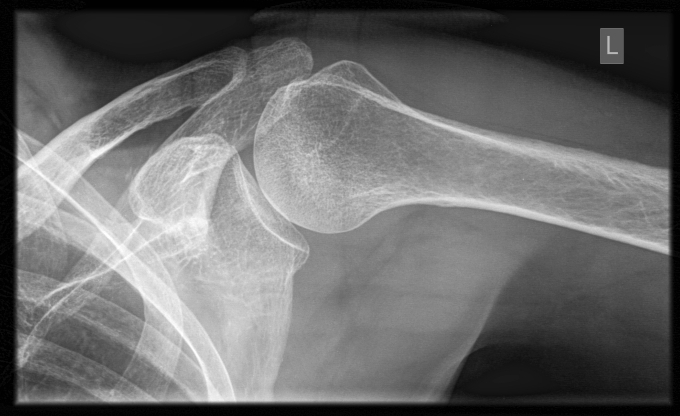
The Approach to Shoulder Radiographs
The first snowflakes of the year are falling as you head into your midday Minor Care shift. Slipping on an icy patch of compacted snow and nearly falling as you head from your car to the ED entrance, you have a sneaking suspicion what the day will bring: falls, slips, and trips. Indeed, you settle down to the computer, log in to your EMR and pull up the minor care screen to see 2 unseen patients with the chief complaint of “Fall”...

CSF Evaluation in Subarachnoid Hemorrhage
So, what constitutes a “positive” tap when evaluating for subarachnoid hemorrhage?
Traditional teaching is that a positive tap is Xanthochromia or blood in the CSF
What exactly is Xanthochromia?
The word xanthochromia is simply Greek for “yellow color.” It refers to the yellow color that CSF can take in certain situations. Some of these situations are listed below:
- Elevated CSF protein
- Jaundice
- Hypervitaminosis A
- Rifampin Therapy
- Elevated Bilirubin
- Oxyhemoglobin
What we are especially interested in when evaluating for subarachnoid hemorrhage is bilirubin and oxyhemoglobin.