
Welcome to the new Tamingthesru
Same great content - new look - improved search

Flights - A Blow to the Head
You’re working as the Pod-Doc, having just taken the radio from the off-going UH-doc, you just finish admitting the patient in C40 for NSTEMI when the tones go off.
“Air Care 1 and Pod Doc respond to a scene for motorcycle crash, Northern Kentucky”
You call the B-Pod attending, sign out the pod, grab the blood from the blood cooler and head to the helipad. Flying over the river, landing at a local firehouse’s parking lot you hop out of the back of the helicopter and head to the awaiting squad.
Your patient is a 29 year-old male who was riding his motorcycle (without a helmet) on a local country road. Coming around a blind corner he unexpectedly found a car stopped in the middle of the road. Striking the car from behind at ~35mph, he flew over the handlebars and impacted the back of the car.
On EMS’s arrival he was initially unconscious, but since their arrival has become increasingly combative
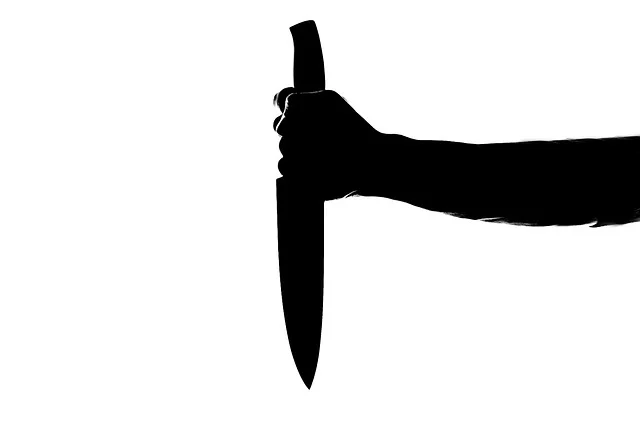
Flights - A Stab in the Dark - Curated Comments and Expert Commentary
Thanks to everybody who contributed to an excellent discussion of the care of the patient on our second “flight.” If you didn’t get a chance to check out the case and the discussion, check it out here. Below is the curated comments from the community and a podcast from Dr. Hinckley and Flight Nurse Practitioner Jason Peng
Q1 - Walk through your initial assessment of this patient. What are the critical aspects of the assessment of this patient?
In response to this question, most everybody wanted to first act on the bleeding wound in the patient’s right antecubital fossa. As explained by Dr. Renne, “I would want to be systematic but efficient, probably using a C-ABCD approach to these kind of critical patients, with the first C being any sort of life-threatening but "C"ontrollable hemorrhage.” Dr. Renne also had a fine point with regards to checking for other potential, as of yet unseen, injuries. This is a patient with multiple stab wounds, it is crucial to conduct a quick, but thorough search for stab wounds to the back, axilla, groin, and/or other locations where significant blood loss could be caused by a stab wound.

Flights - A Stab in the Dark
You are working overnight as the H2 doc based at Butler County Regional Airport. It’s bitter cold out (for Ohio that is). Its only 11 PM and already the temperature has dropped to 9 degrees fahrenheit on its way to a low of 0. You are in the lounge refamiliarizing yourself with the contents of the critical care cells when the tones go off: “Scene: stab wound – Hamilton Ohio”
You and the nurse grab your equipment, the blood cooler, and head to the helicopter. You put the critical care cells back in their spot in the rear of the helicopter and then buckle in for the short flight to the scene.
Your patient is a 23 year-old female who was in an argument with her boyfriend earlier in the evening. The verbal argument quickly escalated, her boyfrienf pulling a knife and stabbing her multiple times in the right arm and right chest. He fled the scene and she managed to call 911. The first responders found the patient with significant active bleeding from her arm as well as chest. She was initially responsive, but is now only awake to painful stimuli.
You meet the EMS crew in the back of the squad truck and assess the patient from the head of the bed.