
Welcome to the new Tamingthesru
Same great content - new look - improved search
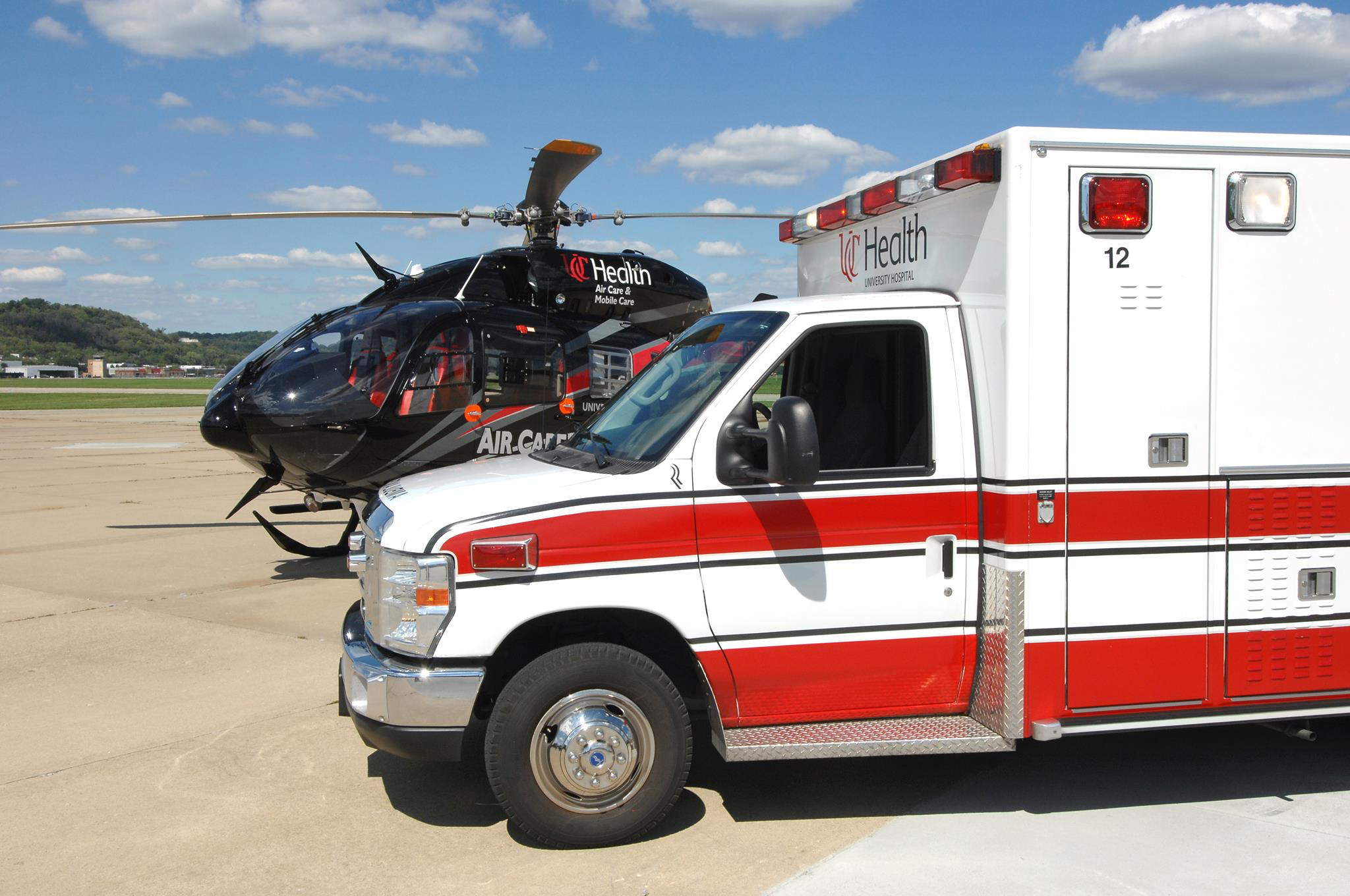
Flights - One Road too Far
You are working as the UH-doc. Driving into your shift with the windows down and music playing, you figured the first warm day of the year would result in a busy day for you and the rest of the Air Care 1 crew. You arrive for your shift, grabbing the radio from the Pod doc when the tones go off for your first flight of the day. You grab the blood cooler head to helipad, checking your pager you find you’ll be responding to Southeastern Indiana for a “MVC rollover, entraped.”
You strap into the helicopter and fly over the city and to the rolling hills of Southeastern Indiana. Landing on the 4 lane divided state road, you unstrap and head to your patient who is waiting with the BLS squad.
You open the side door of the EMS truck and head to the head of the bed to assess your patient...
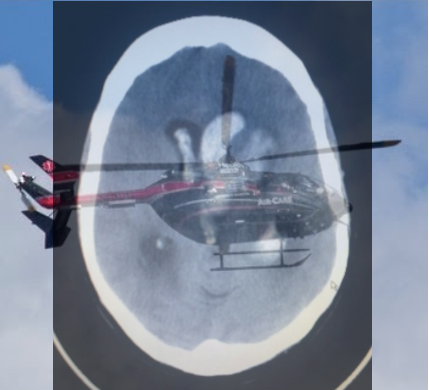
Neurologic Emergencies in the Air
Several months ago, I sat down and talked about the management of neurologic emergencies in the prehospital environment with Dr. Erin McDonough, an Emergency Physician and Neurointensivist who attends both in the ED and the Neurosciences ICU, and is a member of the Cincinnati Stroke Team. In the brief podcast found below and on iTunes, we covered a wide range of topics including blood pressure management in spontaneous ICH, aneurysmal SAH, and ischemic stroke and some of the more rare complications associated with tPA administration.

The Glories of End Tidal CO2
If you were to choose one vital sign for your critically ill patient, what would you choose? Blood pressure? Pulse? Respiratory rate? O2 sat? Temperature? Certainly it’s nice to know if a patient’s BP is super low or sky high, but if you are evaluating someone for the presence of shock, and you are waiting on the BP cuff to cycle one more time, you are already behind in recognizing and correcting the patient’s physiologic derangements.