
Welcome to the new Tamingthesru
Same great content - new look - improved search

The Glories of End Tidal CO2
If you were to choose one vital sign for your critically ill patient, what would you choose? Blood pressure? Pulse? Respiratory rate? O2 sat? Temperature? Certainly it’s nice to know if a patient’s BP is super low or sky high, but if you are evaluating someone for the presence of shock, and you are waiting on the BP cuff to cycle one more time, you are already behind in recognizing and correcting the patient’s physiologic derangements.
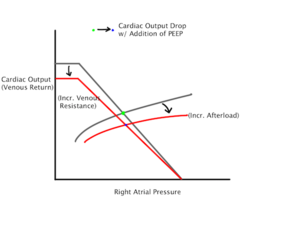
PEEP PEEP PEEP
Ventilator management can be one of the more intimidating aspects of caring for critically ill patients both in the ED and in the prehospital setting. There are several great #FOAMed resources out there on varying aspects of ventilator management including the well-known series by Dr. Weingart of emcrit.org (here and here). Ventilator management can be an absolutely massive topic but for this post, and specifically for the embedded video below, I wanted to do a little deeper dive on only one of the components of ventilatory management: PEEP.
Sepsis in the Air
Next to STEMI and neurologic emergencies such as spontaneous ICH, SAH, and ischemic stroke, one of the most common pathologies we transfer from one facility to another on Air Care is sepsis. However, unlike many of the other patients we transfer, these patient’s are usually being transferred from the ICU of an outlying facility to the ICU of a tertiary referral center that can deliver a higher intensity of care. I sat down and discussed with Dr. Bill Knight, a former flight MD and now Emergency Medicine and Neurocritical care physician, about some of the complexities of caring for these patients.