
Welcome to the new Tamingthesru
Same great content - new look - improved search
PEEP PEEP PEEP
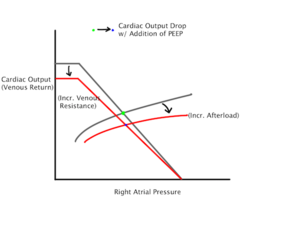
Ventilator management can be one of the more intimidating aspects of caring for critically ill patients both in the ED and in the prehospital setting. There are several great #FOAMed resources out there on varying aspects of ventilator management including the well-known series by Dr. Weingart of emcrit.org (here and here). Ventilator management can be an absolutely massive topic but for this post, and specifically for the embedded video below, I wanted to do a little deeper dive on only one of the components of ventilatory management: PEEP.
Sepsis in the Air
Next to STEMI and neurologic emergencies such as spontaneous ICH, SAH, and ischemic stroke, one of the most common pathologies we transfer from one facility to another on Air Care is sepsis. However, unlike many of the other patients we transfer, these patient’s are usually being transferred from the ICU of an outlying facility to the ICU of a tertiary referral center that can deliver a higher intensity of care. I sat down and discussed with Dr. Bill Knight, a former flight MD and now Emergency Medicine and Neurocritical care physician, about some of the complexities of caring for these patients.

The Myth of the Stable STEMI Transfer
We fly/transfer many patients with STEMI on Air Care and Mobile Care. And, fortunately, a majority of these patients end up doing very well. You accept them at the referring facility, load them in the helicopter, and transfer them to the cath lab at the receiving facility without incident. You certainly may make some adjustments in nitro drips, maybe give some metoprolol, certainly review their outside hospital records, but usually the biggest benefit you are offering them is rapidity of transport. Transport 20 or 30 of these patients without incident and you might get lulled into thinking that these patients are so incredibly stable that nothing bad will happen during the course of the transport. To do so would be folly.