
Welcome to the new Tamingthesru
Same great content - new look - improved search

The Myth of the Stable STEMI Transfer
We fly/transfer many patients with STEMI on Air Care and Mobile Care. And, fortunately, a majority of these patients end up doing very well. You accept them at the referring facility, load them in the helicopter, and transfer them to the cath lab at the receiving facility without incident. You certainly may make some adjustments in nitro drips, maybe give some metoprolol, certainly review their outside hospital records, but usually the biggest benefit you are offering them is rapidity of transport. Transport 20 or 30 of these patients without incident and you might get lulled into thinking that these patients are so incredibly stable that nothing bad will happen during the course of the transport. To do so would be folly.

Running a Code (in Tight Quarters)
How many hands does it take to run a code? Think about that for a bit...
In the SRU, the available hands seem essentially limitless. There's a train of PCAs and medical students lined up to perform CPR, a nurse to run the monitor and defib, a nurse and/or pharmacist pulling up meds and mixing drips, a nurse charting, a MD dedicated to the airway, a RT to help with bagging, not to mention the MD running the whole show. At a minimum you probably have 10 hands ready to ensure compressions are as uninterrupted as possible, to keep a check on the respiratory rate, to hook up monitors, push meds, defib, and all the other tasks that are necessary to code a patient.
Now what do you do in the back of the helicopter when a patient loses a pulse?
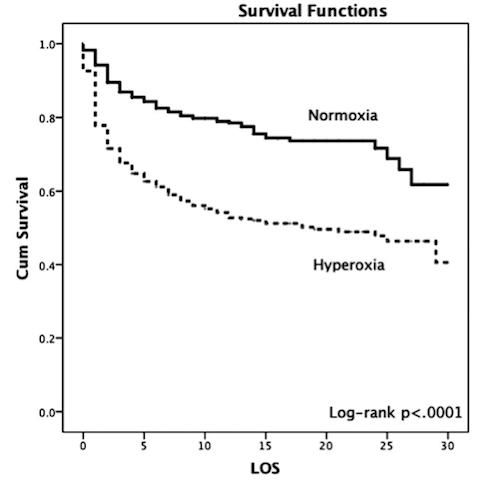
Prehospital TBI - Beyond the "Code"
Of the injuries that one will care for in the pre-hospital setting, traumatic brain injury is one of the most challenging. Quite often, more than one organ system has been injured and they require rapid, thoughtful, and precise management of their airway and hemodynamics. In addition, TBI patients require frequent reassessment to detect progression of the primary neurologic injury. This is easier said than done in the dynamic, unpredictable, and resource-limited prehospital environment.
To help simplify their care, the following “Code of Care” forms the core principles that characterize optimal TBI care:
- NO Hypoxia (SpO2 < 90%) – therefore, apneic oxygenation for all TBI patients
- NO Hypotension (sBP < 90 mmHg) – greatest iatrogenic risk is with induction and provision of positive pressure ventilation
- Blown pupil -> Hyperosmotic therapy + Hyperventilate