
Welcome to the new Tamingthesru
Same great content - new look - improved search
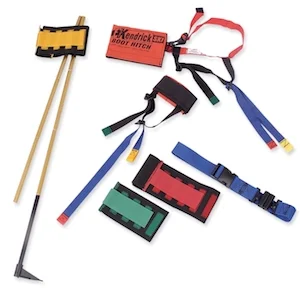
Traction Splints - Applying the KTD Traction Splint
Immobilization of midshaft or distal femur fractures is thought to decrease pain for the patient during transport and to decrease the amount of bleeding and hemorrhage. Application of a traction splint, however, is a somewhat uncommon, and therefore potentially unfamiliar, procedure. A look at the literature on the use of traction splints in the prehospital environment shows that they are used uncommonly. And, when they are used, they are frequently placed incorrectly.

Needle Thoracostomy
There has been much digital ink spilled over the topic of needle thoracostomy (check below for some additional reading) with most of the hub bub surrounding the proper location to place the needle. We’re not going to completely rehash that which has already been said, but instead focus on distilling the highlights and turning our attention to a video showing how to perform what is ultimately a potentially life saving procedure. We won’t go much into finger thoracostomy as we will cover that procedure in a future blog post. So I heard that you’re setting yourself up for failure if you choose the 2nd ICS MCL to decompress the chest?

Who Gets a Pelvic Binder? Lessons from the #HEMS #FOAMed World
In our most recent post in the Air Care & Mobile Care Online Flight Physician Orientation, we talked about pelvic binding devices. As we noted, there's generally a paucity of evidence for or against the use of a pelvic binding device in blunt trauma patients. There are no hard and fast indications for the use of these devices. Whenever there is a lack of evidence for a particular treatment, we find ourselves looking to experts in the field for their experience and practice patterns. To that end, I asked some of of the #HEMS #FOAMed community to weigh in on the question and tell us their practice pattern