
Welcome to the new Tamingthesru
Same great content - new look - improved search
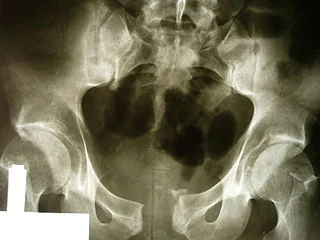
Application of Pelvic Binders
As we mentioned in the podcast that accompanied our most recent post, an injury that is critical to identify in blunt trauma yet easy to miss or forget is pelvic fractures and pelvic trauma. Significant injuries occurring to the pelvic ring usually involved high mechanisms of injury such as high speed MVCs, motorcycle crashes, pedestrian struck, and falls from significant height. Pelvic fractures can be associated with a significant amount of bleeding, hypotension, and increased mortality. Mortality for all trauma patients with pelvic trauma ranges from 5-30%. If there is associated hypotension, mortality rises to 10-42%

Evaluating Blunt Trauma Patients
A quick and thorough evaluation of patients with traumatic injuries is extremely important. The ideal approach is regimented, practiced, expeditious, and flexible to the environment in which it is performed. Advanced Trauma Life Support (ATLS) courses do a great job of teaching the guiding principles to the approach to the trauma patient. However, while it is relatively simple to become facile with the exam of victims of trauma in the (relatively) controlled setting of the trauma bay, it can be especially challenging to examine the same patient in the field.

On Tourniquets and Lives Saved
Though tourniquets were likely in use since Roman times, the term “tourniquet” was originally turned by Louis Petit, the 18th century inventor of the screw tourniquet. Though numerous design advancements have occurred and new devices have been made in the centuries that have followed, the basic principles of tourniquet use are essentially unchanged. A tourniquet applies an external pressure to a limb (usually) that exceeds the arterial pressure in that extremity. In this way the inflow of arterial blood to an extremity is stopped. For a surgeon, in the setting of a prospective extremity surgery, this allows for the creation of a bloodless operative field. For Emergency Medicine providers, tourniquets can aid in the exploration of extremity wounds, allowing the identification of injuries to tendons, joints, and vascular structures. And perhaps most importantly, tourniquets applied proximal to the site of penetrating traumatic extremity injuries can cease bleeding from arterial injuries.